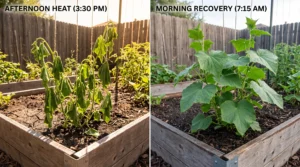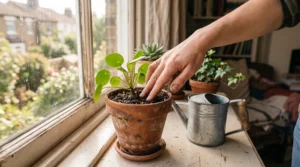
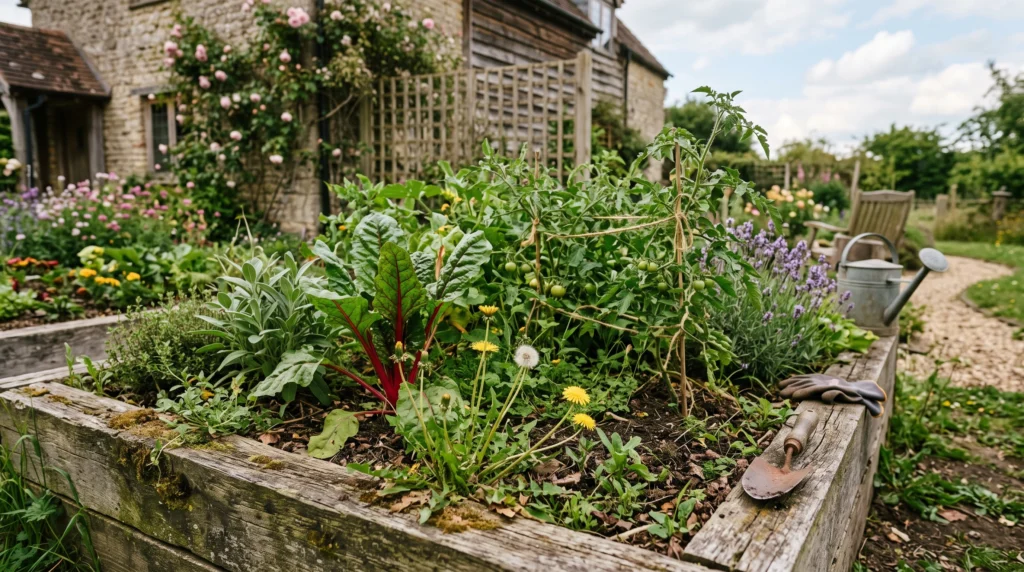
You planted with real enthusiasm. Maybe you pictured jars of homemade tomato sauce, a windowsill full of fresh herbs, or a small corner of flowers bringing color to your yard.
For the first few weeks, checking on your plants felt rewarding. Then a busy stretch hit.
A few weeds turned into a lot of weeds, and a missed watering turned into several missed visits. You told yourself you’d catch up soon, and somehow that never happened.
Now the garden just sits there, and walking past it brings a small wave of guilt.
If that sounds familiar, you’re in good company.
Many gardeners go through seasons where their garden gets far less attention than they planned. Often the problem isn’t that they stopped caring.
It’s that the garden they built no longer fits the time, energy, and life they actually have.
Here’s the short version: gardens usually get abandoned because they were planned around an ideal version of life — more free time, more energy, more maintenance capacity than reality allowed.
Fixing that rarely means pushing yourself harder.
It means building a smaller, easier garden that fits your normal week. A garden should support your life, not become one more source of pressure.
The Real Reason You Keep Abandoning Your Garden
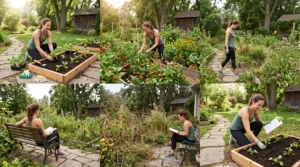
If this has happened more than once, it’s easy to start wondering what’s wrong with your discipline.
Nothing is.
Many abandoned gardens follow a similar pattern: the garden starts out enjoyable, the maintenance slowly grows, missed tasks start creating stress, and eventually the garden becomes something you avoid instead of something you look forward to.
The gardener isn’t the problem.
The relationship between the gardener and the garden has simply changed.
Your Garden Turned Into a Chore
Early on, gardening is mostly excitement — choosing plants, imagining the harvest, enjoying a few minutes outside. Over time, that balance can shift.
Watering, weeding, pruning, and seasonal cleanup start taking up more attention than the parts you actually enjoy, and a garden that once gave you energy starts asking for energy instead.
That doesn’t mean gardening has stopped being enjoyable.
It usually means the garden has grown more complicated than the role you wanted it to play in your life.
A relaxing garden doesn’t need to be a perfect one. It just needs to be manageable.
Your Plan Didn’t Match Your Real Life
Free time shifts more than most garden plans account for.
A new job, a new baby, a busier season at work, or a move can quietly eat into the hours you used to spend outside.
A garden sized for last year’s schedule may not fit this year’s at all.
Gardeners tend to keep going for a familiar handful of reasons — fresh food, time outdoors, a calmer headspace, something to share with family — not to pile on more obligations.
Once a garden stops offering any of that and only adds tasks, it becomes an easy thing to set aside.
| The Garden You Imagined | A Garden You Can Keep |
| Every bed planted immediately | Space added gradually, one season at a time |
| Many plant varieties at once | A few plants chosen carefully |
| Several projects happening together | One project finished before the next begins |
| A perfect appearance in every season | A healthy garden that changes with the seasons |
| Requires attention every day | Fits into your normal weekly routine |
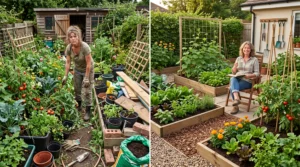
7 Reasons You Lose Motivation and Abandon Your Garden
1. You Started With Too Much, Too Soon
A large garden is exciting to design and exhausting to keep up with by midsummer.
Every plant you add is another decision to make — when to water it, what to watch for, how to fix it if something goes wrong.
For a first-time gardener especially, that gap between what a big garden demands and what you can realistically give it opens up fast.
Some beginner gardening programs recommend starting with a manageable garden size, such as a 10-by-10-foot area, before expanding once you understand the time and effort your garden requires.
A smaller garden that receives consistent attention will usually bring more satisfaction than a large one that becomes overwhelming.
Start with one bed, a few containers, or a small herb collection, and read through layout ideas for small-space vegetable gardens if you’re deciding how to lay it out.
Expansion can come later when your routine feels stable.
2. Your Garden Became a Second Job
A garden should fit around your life, not compete with it.
When every visit turns into a list of unfinished tasks, the enjoyment drains out fast — you stop thinking “I want to spend time outside” and start thinking “I need to catch up.” The fix usually isn’t more effort.
It’s less: simplifying the layout, choosing plants suited to your actual conditions, and dropping projects you don’t enjoy in favor of a few simple routines.
If your version of this looks less like slow burnout and more like losing hours in the garden without meaning to, that’s its own pattern — GardensNest’s guide on gardening with ADHD hyperfocus covers it in more depth.
3. Your Plants Didn’t Fit Your Growing Conditions

Struggling plants don’t always mean you’re bad at gardening. Often the plant and the location simply weren’t a good match.
A plant that needs full sun, rich soil, or steady moisture won’t do well somewhere that can’t offer it, no matter how carefully you tend it.
Repeated failure with mismatched plants doesn’t just waste time — it wears down your confidence, which makes it easier to give up on the whole thing.
Before adding a new plant, check what it needs against what your space can actually provide: sunlight hours, soil drainage, water needs, and climate fit.
How much sun tomato plants need is a good example of how specific these requirements can get, even for a common, forgiving crop.
4. You Expected Faster Results
Gardens rarely give quick feedback.
You can plant, water carefully, and still see very little change above the soil for a stretch of time that feels much longer than it is.
That quiet period is easy to misread as a sign something’s wrong, when it usually just means roots are developing before the visible growth catches up.
Try measuring progress differently during that stretch — new leaves, sturdier stems, better soil — instead of only watching for flowers or harvest.
5. You Fell Behind and Didn’t Know How to Restart
This is one of the situations many gardeners experience when they return to a neglected garden.
A few missed days lead to more weeds, which makes the garden look worse, which makes it harder to face, so you avoid it a little longer.
The mistake most people make here is assuming they need to fix everything before they can start again — and that expectation is usually exactly what keeps them away.
A garden that’s been neglected isn’t the same as a garden that’s failed.
Some plants are more resilient than they appear, especially when their basic growing needs are still being met.
Some may have survived just fine, while other areas may only need light cleanup rather than a full rebuild.
Before pulling anything, take a slow look around and get a real sense of what’s actually still growing.
(There’s a full walk-through process for this further down.)
6. You’re Chasing a Perfect Garden
Comparing your garden to curated photos online sets a standard no living garden actually meets.
Real gardens change with the weather, lose leaves, go through empty stretches, and don’t always follow the plan.
A few weeds or a struggling plant don’t mean you’re failing — they mean you’re gardening the way everyone actually does.
Learning to work with these challenges is part of becoming a better gardener, and approaches like ADHD-friendly raised bed gardening can help create a simpler, more manageable setup.
7. You Lost Touch With Why You Started
Most people don’t take up gardening because they want another responsibility.
They want fresh food, time outdoors, a bit of beauty around the house, or something calming to come back to.
Over time, that original reason can get buried under maintenance tasks, and the garden starts being defined by what needs doing instead of what it gives back.
If you’re rebuilding, start by asking what made you want to garden in the first place, then let that answer shape what you grow and how much you take on.
| Reason | What It Usually Looks Like | Where to Find the Fix |
| Started too big | Constant catch-up, no real routine | Break the Abandonment Cycle |
| Became a second job | Dread instead of enjoyment | Break the Abandonment Cycle |
| Wrong plants for the space | Repeated struggling or dying plants | Build a Garden Habit |
| Expected faster results | Losing interest during slow growth | The Real Reason |
| Fell behind, unsure how to restart | Garden feels “too far gone” | Restart a Garden You Abandoned |
| Chasing a perfect garden | Feeling embarrassed by weeds or gaps | The Real Reason |
| Lost the original reason for gardening | Gardening feels like pressure, not a break | Build a Garden Habit |
How to Break the Garden Abandonment Cycle
Staying consistent isn’t about forcing yourself to work harder.
It’s about lowering how much effort the garden asks for, so it fits into your week instead of fighting it.
Start by shrinking the garden before you expand it.
Look honestly at what you have, and ask which plants you genuinely enjoy caring for versus which ones feel like a burden.
Cutting the garden down isn’t giving up — it’s designing something you can actually maintain.
One of the fastest ways to lighten the load is mulch: spreading it around your plants early in the season cuts down on both weeding and watering, the two tasks most likely to pile up while you’re busy.
Oregon State University Extension has found that mulch reduces irrigation needs by cutting surface evaporation, on top of suppressing weeds — controlling weeds in a vegetable garden walks through several mulching methods if you want more detail.
From there, build a minimum weekly routine instead of a long chore list — something like checking on the plants, watering only if the soil needs it, dealing with anything obviously wrong, and noticing what’s changed since your last visit.
A short routine you’ll actually follow beats an ambitious one you’ll quietly abandon.
Pair that with easier plant choices — hardy varieties, plants suited to your climate, or containers you can manage in small windows of time — and keep a simple record of progress along the way, whether that’s a few photos or short notes.
Change in a garden is often too gradual to notice week to week, and a record helps you see it anyway.
How to Restart a Garden You Abandoned

If your garden currently looks like a lost cause, here’s a way back in that doesn’t start with fixing everything at once.
Walk through it first, before changing anything.
Take a slow look and get a real sense of what’s actually there — what’s still growing, which plants look healthy, where the sunlight actually falls.
This step alone often reveals that the garden is in better shape than it looked from a distance.
Next, sort what stays from what goes. Keep healthy plants and anything you still value; remove dead growth and anything that’s clearly past saving.
Don’t clear everything just because the space looks rough — some plants hold up far better than expected after weeks without attention.
Then restore one area before touching the rest.
Pick a single bed, container group, or corner, and get it fully tidy before moving on.
One finished section makes the whole garden feel possible again, even while the rest is still a mess — and trying to rescue everything in one weekend tends to recreate the exact overwhelm that caused the abandonment in the first place.
Finally, build a plan around your real schedule, not the one you wish you had.
If you genuinely have twenty minutes a week, build the garden around twenty minutes. A modest garden that keeps going will always outlast an ambitious one that gets abandoned again.
Build a Garden Habit You Can Maintain Long-Term
Breaking the cycle for good isn’t about finding unlimited motivation — motivation comes and goes for everyone.
It’s about building something small enough to survive a busy season.
Start by making the habit easy to begin. Size the garden to the time you genuinely have, not the time you hope to find:
| Garden Size | Rough Weekly Time Needed | Best For |
| A few containers or pots | 15–30 minutes | Restarting after burnout, tight schedules |
| A 10×10 foot bed | 1–2 hours | Beginners, or a fresh restart |
| A larger plot | 3+ hours | Experienced gardeners with a proven routine |
These are rough guides, not fixed rules — the point is matching the size to your actual week.
Then tie the habit to something you already do.
A plan like “after I make coffee, I’ll check the garden for five minutes” works because the coffee becomes the reminder, and the garden check naturally follows without requiring a big burst of motivation.
Small routines are easier to maintain when they become part of your existing day instead of another task you have to remember.
If building a reliable routine is the part you struggle with most, GardensNest’s guide to sticking with an ADHD-friendly gardening routine and its companion piece on not forgetting to water your plants both explore ways to make gardening easier to maintain.
Let small slips stay small.
The habit rarely breaks because of one missed afternoon — it breaks when that missed afternoon gets treated as proof the whole thing is over.
When you fall behind, do the smallest task you can manage, like pulling a few weeds for five minutes, instead of doing nothing at all.
And expect to resize the garden as life shifts.
The time you have this year won’t always match next year’s, and that’s normal.
A habit that lasts is one you’re willing to scale down when things get busy, rather than one you abandon the moment they do.
Frequently Asked Questions
Why do I keep losing interest in gardening?
Usually because the garden is asking for more time or effort than you actually have right now, or it no longer fits how you’re living. That’s a mismatch worth fixing, not a flaw worth feeling bad about.
Is it normal to abandon a garden?
Yes. Long stretches of low attention happen to beginners and experienced gardeners alike. It’s a common part of the process, not a sign you’re doing something wrong.
Should I clear out an abandoned garden completely?
No — take a look at what’s actually growing before removing anything. Plenty of plants survive weeks of neglect better than you’d expect, and some areas may only need light cleanup rather than a full rebuild.
How do I get back into gardening after years away?
Start with one small area and get comfortable keeping it up before adding more. Rebuilding gradually holds up far better than trying to restore everything at once.
Conclusion
A garden worth keeping isn’t the biggest or the most polished one. It’s the one you keep coming back to.
Falling behind wasn’t a sign you don’t have what it takes — it was a sign the setup wasn’t built to handle an ordinary busy stretch.
That part is fixable. Start smaller than feels necessary.
Attach it to something you already do each day.
And when you fall behind again, come back with the smallest possible task instead of walking away for good.