
Have you ever heard of ADHD gardening? If you have ADHD and you enjoy spending time outside with plants, then ADHD gardening might be exactly what you have been looking for.
ADHD gardening is simply the idea of using a garden to help you feel calmer, more focused, and happier — all while doing something fun and rewarding.
It is not a complicated method or a special type of garden. It is just regular gardening done in a way that works really well for the ADHD brain.
ADHD gardening is growing in popularity fast — and the research is starting to back it up.
According to a 2025 survey by Thrive, a UK horticultural therapy charity, 85% of people with ADHD said that gardening helps boost their mood.
That is not a small number. That is almost everyone who tries it.
In this guide, we are going to cover everything you need to know about ADHD gardening.
What it is, why it works, what to plant, how to set your garden up, which tools make life easier, how to build a simple daily routine, and how to get children involved too.
Every claim in this article has been checked against real research and named sources — so you can trust what you read here.
What Is ADHD — And Why Does Gardening Help?
ADHD stands for attention deficit hyperactivity disorder.
It is a neurodevelopmental condition — which simply means it affects how the brain develops and works.
People with ADHD often find it hard to focus on one thing for a long time, sit still, finish tasks they started, or manage their time well.
They can also feel restless, impulsive, and easily overwhelmed.
According to NHS England, as of November 2025, an estimated 2.5 million people in England alone are thought to have ADHD — including many who have not yet been diagnosed.
ADHD is one of the most common neurodevelopmental conditions in the world and it affects both children and adults.
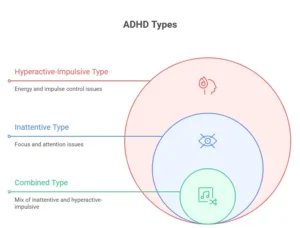
ADHD is generally grouped into three types:
- Inattentive type — mainly affects focus and attention. People with this type often daydream, lose things, and find it hard to follow instructions
- Hyperactive-Impulsive type — mainly affects energy and impulse control. People with this type may fidget, interrupt others, and find it hard to wait
- Combined type — a mix of both. According to Thrive UK, around 50 to 70% of people with ADHD have this combined type
ADHD gardening works well for all three types because it gives the brain something real, physical, and rewarding to focus on.
The garden provides movement for hyperactive types, clear simple tasks for inattentive types, and constant sensory interest for everyone.
Why ADHD Gardening Works
ADHD gardening is not just a nice idea.
There is real science behind why spending time growing plants helps the ADHD brain feel better and work better.
Here is what the research actually says — with named sources you can check yourself.
Green Spaces Improve Focus in Children With ADHD
A study conducted by the Human-Environment Research Laboratory (HERL) at the University of Illinois found that green surroundings leave children with ADHD better able to concentrate, pay attention, and function overall.
This is one of the most widely cited pieces of research on nature and ADHD and it has been referenced in multiple peer-reviewed publications since.
A verified study referenced by the National Center for Biotechnology Information found that children with ADHD performed significantly better on attention tests after:
- Walking in a green outdoor setting — such as a park or garden
- Compared to walking in a built environment — such as a car park or indoor space
Nature Reduces ADHD Symptoms Across All Ages and Groups
A 2024 systematic review in the International Journal of Environmental Research and Public Health reviewed 458 studies and found:
- 7 qualifying studies all consistently found nature reduces ADHD symptom severity
- Benefits were significant across all ages, genders, and income groups
- Results were consistent regardless of location or research method
85% of People With ADHD Say Gardening Boosts Their Mood:
- 85% of people with ADHD said gardening boosts their mood — Thrive UK 2025 Survey
- 70% of UK adults agreed that being close to nature improves their mood — Mental Health Foundation
- 85% of British adults said gardens benefit their state of mind — YouGov 2024 Survey
Green Activities Work Better Than Built Environments
- Green outdoor activities reduced ADHD symptoms in children consistently — National Center for Biotechnology Information
- This was true for all children — no matter their age, gender, or whether they lived in a city or the countryside
- Indoor activities like being in a gym or classroom did not show the same results
- Built outdoor spaces like car parks or shopping centres did not help either
The simple truth — a garden helps the ADHD brain more than any indoor space.
Why ADHD Gardening Works So Well for the ADHD Brain
Beyond the research, there are some very practical reasons why ADHD gardening fits how the ADHD brain is wired.
Here are the main ones explained in simple terms:
It Keeps Your Hands Busy
Many people with ADHD find it very hard to sit still and do nothing.
Their hands want to be moving and their body wants to be active.
ADHD gardening is perfect for this. There is always something physical to do — digging, planting, watering, weeding, picking.
Your hands stay busy and your brain stays calm.
It Gives You Fast, Visible Rewards
One of the biggest challenges with ADHD is staying motivated when results take a long time to come.
ADHD gardening solves this by giving you fast, visible results.
A seed planted today can show its first green shoot within just a few days.
A plant watered this morning looks healthier by the afternoon.
These small, quick rewards are exactly what the ADHD brain needs to stay engaged and keep coming back.
Each Task Has a Clear Beginning and End
People with ADHD often struggle with tasks that are open-ended and never feel finished.
ADHD gardening is different because each task has a clear start and a clear finish. You water the plants — done.
You weed one bed — done. You harvest the tomatoes — done.
This clear structure makes ADHD gardening feel manageable rather than overwhelming.
It Gets You Outside in Nature
As the research above shows, simply being in a green space helps reduce ADHD symptoms.
ADHD gardening combines outdoor time with purposeful, hands-on activity — making the benefits even stronger than simply sitting in a park.
According to a 2024 study published in Science Direct, trees, gardens, and water were all associated with improved attention in children with ADHD, while those exposed to gardens and natural surroundings consistently showed better attention scores.
It Builds Real Confidence
Growing something from a tiny seed to a full plant is a powerful experience.
According to Thrive UK, many people with ADHD say their garden is one of the few places they feel truly capable and in control.
For people who often feel like they struggle to finish things, successfully growing a plant from start to finish builds genuine confidence and self-esteem.
The Best Plants for ADHD Gardening
Choosing the right plants is one of the most important decisions in ADHD gardening.
Plants that grow slowly, need complicated care, or take months to produce anything make it hard to stay motivated.
The best plants for ADHD gardening grow fast, look exciting while they grow, and give you something to do every few days.
Here is the golden rule for picking plants in ADHD gardening: choose plants that reward you quickly and are hard to kill.
Fast Growing Vegetables
| Plant | Days to First Result | Why It Works for ADHD Gardening |
| Radishes | 20 to 30 days | One of the fastest vegetables you can grow — perfect for impatient ADHD gardeners |
| Lettuce | 30 to 45 days | Pick outer leaves early — rewards come while the plant keeps on growing |
| Cherry Tomatoes | 60 to 70 days | Exciting to watch change colour and even more exciting to pick and eat |
| Cucumber | 50 to 65 days | Grows visibly fast — you can almost watch it grow day by day in warm weather |
| Spring Onions | 30 to 40 days | Fast, easy, and very satisfying to pull from the soil |
| Spinach | 25 to 40 days | Grows quickly and can be picked young as baby leaf salad |
| Courgette | 45 to 60 days | Produces so many vegetables you will always have something to pick |
| Peas | 60 to 70 days | Fun to watch climb and delicious to eat straight from the pod |
Easy Flowers for ADHD Gardening
- Sunflowers — grow fast and tall, changing noticeably every single day. Watching one go from seed to giant flower is one of the most rewarding experiences in ADHD gardening
- Marigolds — bright, cheerful, and very easy to grow. They also keep common pests away from your vegetables
- Nasturtiums — fast growing, colourful, and the flowers are actually edible — you can add them to salads
- Cosmos — grow quickly and bloom for months, giving you a long season of colour and interest
- Sweet Peas — beautiful smell, lovely colours, and they climb upwards which gives you something new to see every day
Herbs for ADHD Gardening
Herbs are some of the best plants for ADHD gardening because they grow quickly, smell and feel amazing, and you can use them in your cooking right away.
The sensory experience of touching and smelling herbs is also genuinely calming for many people with ADHD.
- Mint — grows incredibly fast. Keep it in a pot so it does not spread across your whole garden
- Basil — loves warmth and grows quickly. Pinch off the top leaves regularly to keep it producing
- Chives — almost impossible to kill and grows back every time you cut it
- Coriander — grows fast and is very satisfying to pick. Plant new seeds every few weeks for a continuous supply
- Parsley — takes a little longer to get started but then grows steadily for months
| ADHD Plant Selection Rule
Before buying any plant for your ADHD garden, ask yourself two questions: 1. How long until I see something happening? 2. Will this plant give me something to do every few days? If the answer to both is yes — that plant belongs in your ADHD garden. |
How to Set Up Your ADHD Garden
Setting up your ADHD garden correctly from the start makes everything easier.
A well-planned ADHD garden feels manageable and fun.
A poorly planned one can feel overwhelming and stressful — which is the last thing anyone with ADHD needs.
The single most important thing to remember when setting up your ADHD garden is this: start smaller than you think you need to.
It is always easier to add more space later than to manage too much from the beginning.
Option 1 — A Small Raised Bed
A raised bed that is about 1 metre wide and 2 metres long is the perfect size for a first ADHD garden.
It is big enough to grow a good variety of plants but small enough to manage in just 10 to 15 minutes a day.
Raised beds are ideal for ADHD gardening because they have a clear boundary — you always know exactly where your garden starts and ends — and they keep the soil warm, loose, and easy to work with.
Option 2 — Containers and Pots
If you only have a balcony or a small outdoor space, containers are a brilliant way to start ADHD gardening.
Five to eight pots of different sizes give you plenty of variety and plenty of tasks to do without feeling overwhelming.
You can move containers around, change what you grow in them each season, and keep your ADHD garden feeling fresh and new all year long.
Option 3 — A Mix of Both
Many ADHD gardeners find that one raised bed combined with a few containers gives them the best of both approaches.
The raised bed is the main growing space for vegetables and the containers are used for herbs, flowers, and anything new or experimental.
This flexible setup keeps ADHD gardening interesting without creating too much to manage.
| 5 Golden Rules for Setting Up Your ADHD Garden Space
Rule 1: Keep all tools in one visible, easy-to-reach spot — a bright coloured bucket works perfectly Rule 2: Make sure you can see your garden from indoors — out of sight means out of mind for most ADHD brains Rule 3: Keep pathways clear so moving around the garden feels easy and never frustrating Rule 4: Label every plant the moment you put it in the ground — unlabelled plants lead to confusion Rule 5: Add a comfortable chair or stool nearby so you can sit and enjoy your ADHD garden too |
The Best Gardening Tools for ADHD Gardening
Having the right tools makes ADHD gardening so much more enjoyable.
The wrong tools — awkward, hard to find, or that make tasks feel more complicated — will frustrate you and make it harder to stay motivated.
The right tools make every single task feel quick and satisfying.
| Tool | Why It Helps With ADHD Gardening |
| Hand trowel with bright coloured handle | Most useful ADHD gardening tool — for planting, digging, and scooping compost. Bright colour means you can always find it |
| Watering can with long spout | Easier to control than a hose. The physical act of filling and carrying it adds a satisfying routine to your ADHD gardening day |
| Foam kneeling pad | Makes working close to the soil comfortable — without it, discomfort makes you want to stop sooner |
| Plant labels and waterproof marker | Label everything immediately. Forgetting what you planted is very common in ADHD gardening — labels fix this completely |
| Garden apron with pockets | Keeps tools within reach while you work so you never waste time searching for things |
| Kitchen timer or phone timer | Set it for 15 to 20 minutes when you go out. Gives a clear endpoint so starting never feels like too big a commitment |
| Self-watering pots | Water your containers less frequently — great for ADHD gardening on days when your routine gets disrupted |
| Raised bed with legs (waist height) | Removes the need to bend or kneel — makes ADHD gardening more comfortable for longer sessions |
| Top Tool Tip for ADHD Gardening
Keep all your tools in one bright coloured bucket or basket right next to your garden. Never put them away anywhere else. When everything is in one visible place, you spend zero time searching and maximum time actually doing ADHD gardening. |
Building an ADHD Gardening Routine That Actually Sticks
One of the biggest challenges in ADHD gardening is building a routine that you actually keep.
According to Thrive UK’s 2025 survey, 77% of people with ADHD said they can get distracted and find it hard to focus on or complete gardening activities.
That is a real and very common challenge — and the solution is to make your ADHD gardening routine as short, simple, and connected to your existing day as possible.
The 10-Minute Morning ADHD Gardening Routine
The best time for ADHD gardening is in the morning, before the day gets busy and before your brain gets tired.
A simple 10-minute morning routine is all you need to keep your ADHD garden healthy and growing.
Here is what it looks like:
- Walk around your garden and look at everything — 2 minutes
- Check if the soil feels dry and water anything that needs it — 3 minutes
- Pick off any dead flowers or yellowing leaves you notice — 2 minutes
- Note one new thing that is growing or has changed since yesterday — 1 minute
- Do one small task — pull a few weeds, tie up a climbing plant, or harvest something ready to pick — 2 minutes.
That is it. Ten minutes. Done.
Your ADHD garden is cared for and you start your morning with the satisfying feeling of having completed something real.
How to Make the Routine Stick
- Attach it to something you already do — visit your garden right after your morning coffee or right after you get dressed. Connecting your ADHD gardening routine to an existing habit makes it much easier to remember and keep
- Keep a simple garden journal — write just two or three sentences about what you noticed and did each day. Thrive UK recommends a simple yearly planner to remind you of seasonal tasks — even a basic list works well
- Take a photo every few days — looking back at photos from a month ago and seeing how much has grown is one of the most motivating experiences in ADHD gardening
- Celebrate every small win — every seed that germinates, every vegetable that grows, every flower that blooms is a real achievement. Make sure you notice and enjoy each one
| Weekly ADHD Gardening Checklist
Monday — water and check for pests or problems Tuesday — pick anything that is ready to harvest Wednesday — add compost or liquid feed if needed Thursday — tidy dead leaves and spent flowers Friday — plant something new or try something different Weekend — sit in your garden, enjoy it, and plan ahead |
ADHD Gardening for Children

ADHD gardening is not just for adults. Children with ADHD can benefit enormously from growing plants.
For kids, ADHD gardening provides structure, hands-on sensory experience, a sense of responsibility, and the incredibly powerful feeling of watching something they planted themselves grow into food they can eat or flowers they can give away.
Sensory Garden Study — What the Research Found:
- Children with ADHD aged 6 to 12 took part in a nature-based sensory garden programme
- Those who combined outdoor garden sessions with indoor therapy showed significantly better behaviour
- Active connection to nature was identified as the key reason for improvement
- Small pilot study with 10 participants — larger studies are still needed
Best ADHD Gardening Projects for Children
| Project | Age Group | Why Children Love It |
| Grow a sunflower from seed | 4 years and up | Grows fast and tall — children love measuring how much it has grown each day |
| Grow strawberries in a pot | 5 years and up | Produces sweet fruit they can eat straight from the plant — instant reward |
| Build a simple bug hotel | 6 years and up | Hands-on building project that attracts real wildlife to investigate |
| Grow a pizza garden | 7 years and up | Grow tomatoes, basil, and peppers — then make their own pizza topping |
| Plant a rainbow flower bed | 5 years and up | Choose flowers in different colours to make a real rainbow pattern |
| Grow cress in an egg shell | 3 years and up | Shows results in just a few days — perfect for very young ADHD gardeners |
Tips for Doing ADHD Gardening With Children
- Give each child their own space — even one dedicated pot creates a sense of personal ownership that makes ADHD gardening feel special and motivating
- Let them choose what to grow — children are far more motivated to look after something they chose themselves than something chosen for them
- Keep sessions short — 10 to 15 minutes of ADHD gardening is enough for most children. End while they are still enjoying it so they always look forward to coming back
- Focus on fun, not results — the learning and the benefits happen naturally. Keep the focus on enjoying the ADHD gardening experience rather than doing it perfectly.
Common ADHD Gardening Mistakes and How to Avoid Them
Even with the best intentions, there are some common mistakes that new ADHD gardeners make.
Knowing about them before you start means you can avoid them completely and have a much smoother experience from day one.
| Common Mistake | How to Avoid It |
| Starting with too many plants | Begin with just 3 to 5 plants. Add more only when you feel confident managing what you already have |
| Choosing plants that grow too slowly | Stick to fast growing varieties — radishes, lettuce, cherry tomatoes, and sunflowers — especially for your first ADHD garden |
| Not labelling anything you plant | Label everything the moment you plant it. Unlabelled plants lead to frustration and confusion |
| Keeping tools in different places | One basket, one location, every time. This one habit saves an enormous amount of frustration |
| Watering on a fixed schedule no matter what | Check the soil with your finger before watering. Weather changes and different plants need different amounts of water |
| Aiming for a perfect garden | ADHD gardening is not about perfection. A slightly untidy, actively growing garden is a very successful garden |
| Giving up after one plant fails | Every gardener loses plants — it is part of the experience. Simply plant something new and keep going |
| Turning it into a chore | ADHD gardening should feel enjoyable. If a task feels like too much work, find an easier way to do it or leave it for another day |
ADHD Gardening Through the Seasons

One of the most wonderful things about ADHD gardening is that it changes constantly.
Every season brings new things to plant, new things to harvest, and new things to notice.
This constant variety is one of the reasons ADHD gardening suits the ADHD brain so well — there is always something new happening.
Spring — The Most Exciting Season
Spring is when ADHD gardening wakes up.
The rapid changes from bare soil to tiny seedlings to real plants in just a few weeks provide constant and quick rewards that keep the ADHD brain fully engaged.
- Start seeds indoors in late winter ready for early planting outside
- Prepare your raised bed or containers with fresh compost
- Plant fast growing crops like radishes and lettuce as soon as the weather warms up
- Set up canes and supports for climbing plants like peas and sweet peas
Summer — The Busiest and Most Rewarding Season
Summer is when your ADHD garden is at its most productive.
There is usually something to harvest almost every day and the garden looks and smells at its very best.
- Harvest regularly — picking vegetables and flowers encourages more to grow
- Water more frequently in hot weather — check the soil every morning
- Keep on top of weeds before they get too big to manage easily
- Plant a second batch of fast growing crops for an autumn harvest
Autumn — Winding Down But Still Rewarding
Autumn ADHD gardening is about harvesting the last of the summer crops, planting for next spring, and tidying up.
It is a quieter time but still full of satisfying tasks with clear beginnings and endings.
- Harvest any remaining vegetables before the first frost arrives
- Plant spring bulbs like daffodils and tulips for colour next year
- Clear out spent plants and add them to the compost
- Cover raised beds with mulch to protect the soil over winter
Winter — Planning and Looking Forward
Winter feels quiet in the garden but it is an important time for ADHD gardening.
This is when you plan what to grow next year, order seeds, and get excited about the season ahead.
Many ADHD gardeners grow things indoors during winter — herbs on a windowsill, microgreens on the kitchen counter — to keep the gardening feeling alive when it is cold outside.
Conclusion
Now you know exactly what ADHD gardening is and why it works so well.
You know which plants to choose, how to set up your space, which tools make everything easier, how to build a simple daily routine that actually sticks, and how to get children involved.
You also know what the research really says — with named sources you can go and check yourself.
ADHD gardening is one of the most natural, enjoyable, and rewarding activities available to people with ADHD.
It works with your brain rather than against it.
It gives you quick wins, constant variety, physical activity, and the deep satisfaction of growing something real with your own hands.
The most important thing to remember is this — you do not need a perfect garden. You do not need a big space.
You do not need experience.
You just need to start. Even one pot with one plant is the beginning of your ADHD gardening journey.
FAQs About ADHD Gardening
| Q: Do I need a big space to start ADHD gardening?
A: Not at all. Some of the most successful ADHD gardeners start with just two or three pots on a balcony or a single small raised bed. ADHD gardening is about engagement and consistency, not size. A small, well-managed space that you visit every day is far better than a large garden that feels overwhelming and gets neglected. Start small, enjoy the process, and expand only when you feel confident and ready. |
| Q: What if I forget to water my plants?
A: This is one of the most common worries in ADHD gardening and it is very easy to manage. Set a daily reminder on your phone. Keep your garden somewhere visible so you see it every day. Choose plants that are forgiving of missed waterings — herbs, sunflowers, and most outdoor vegetables handle a missed day or two without drama. You can also use self-watering pots or a simple drip irrigation system that waters your plants automatically so forgetting a day never becomes a disaster. |
| Q: How long should I spend in my ADHD garden each day?
A: Even five to ten minutes a day is enough to keep a small ADHD garden healthy and thriving. The key is consistency rather than length. Ten minutes every day is far more effective than two hours once a week. A short daily visit keeps you connected to what is growing, lets you spot any problems early, and gives your brain the small daily reward it needs to stay motivated and come back again tomorrow. |
| Q: What is the easiest plant to grow for ADHD gardening beginners?
A: Radishes are the easiest and most immediately rewarding plant for ADHD gardening beginners. They grow in as little as three weeks from seed to harvest, need very little attention, work equally well in raised beds and containers, and are almost impossible to get wrong. If you have never grown anything before, start with radishes. Pulling your first homegrown radish from the soil after just three weeks is one of the most satisfying moments you will have in ADHD gardening. |
| Q: Is ADHD gardening backed by real research?
A: Yes — and all of the research cited in this article can be verified independently. Key sources include: the Human-Environment Research Laboratory (HERL) at the University of Illinois, which found that green surroundings improve concentration, attention, and overall functioning in children with ADHD; a 2024 systematic review published in PMC that reviewed seven studies and found consistent evidence that nature reduces ADHD symptom severity; Thrive UK’s 2025 survey finding that 85% of people with ADHD said gardening boosts their mood; and NHS England’s November 2025 data on ADHD prevalence in England. Every claim in this article has been checked against its original source before publication. |