
Tomatoes blossom end rot is a common problem where the bottom of a tomato turns dark, sunken, and dry.
It happens when the tomato can’t get enough calcium as it grows.
Experts say this disorder is caused by a local calcium shortage in the fruit, not by a disease.
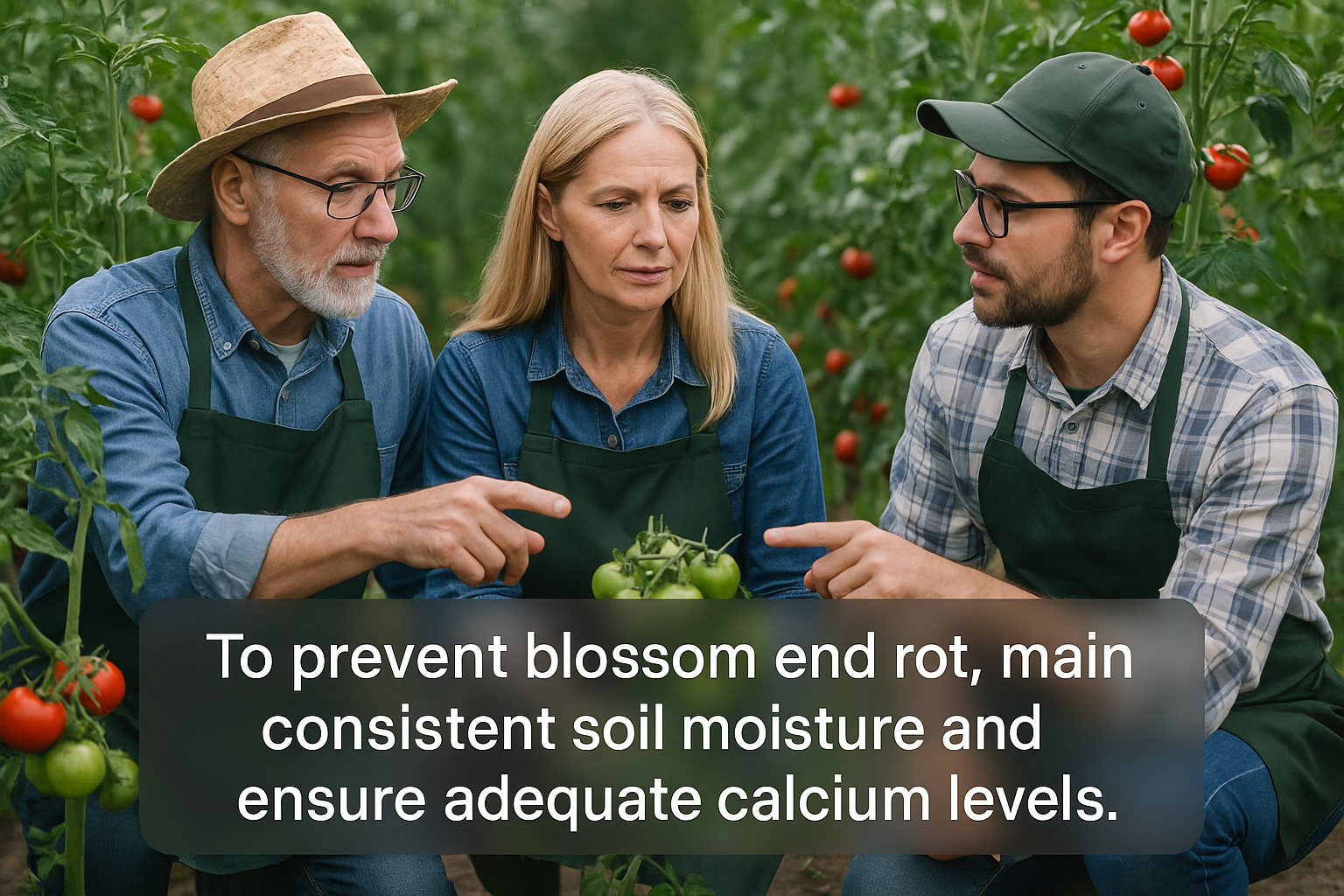
To help prevent it, gardeners keep soil moisture steady and make sure plants have enough calcium in the soil.
When you see it early, pick off the damaged fruit so the plant can focus on healthy ones.
It can also happen more when weather is hot or plants are stressed.
One sunny morning in my garden, I saw something sad.
A few of my almost‑ripe Roma tomatoes had dark, leathery spots on their bottoms.
After caring for them for weeks, this was a big disappointment.
This problem is called blossom end rot.
Blossom end rot happens when a tomato can’t get enough calcium while it grows, so the bottom of the fruit turns dark and sunken.
That’s not a disease, but a disorder from not enough calcium reaching the fruit.
The good news is it can be prevented.
Keeping the soil evenly moist, using good soil, and giving plants steady care helps stop it from happening again.
Highlights
- Calcium deficiency is the primary cause of blossom end rot in tomatoes, but the issue is usually related to calcium transport rather than soil deficiency.
- Consistent watering is crucial for preventing blossom end rot, as fluctuations in soil moisture affect calcium uptake and distribution within the plant.
- Soil pH between 6.0 and 6.8 creates optimal conditions for calcium availability to tomato plants.
- Early intervention can save affected plants and future fruits; remove damaged tomatoes and correct the underlying issues immediately.
- Prevention strategies including proper watering, mulching, appropriate fertilization, and calcium supplementation are more effective than trying to treat blossom end rot after it appears.
What Is Blossom End Rot?
Blossom end rot is a physiological disorder—not a disease or pest problem—that affects tomatoes and several other fruits in the nightshade family, including peppers, eggplants, and squash.
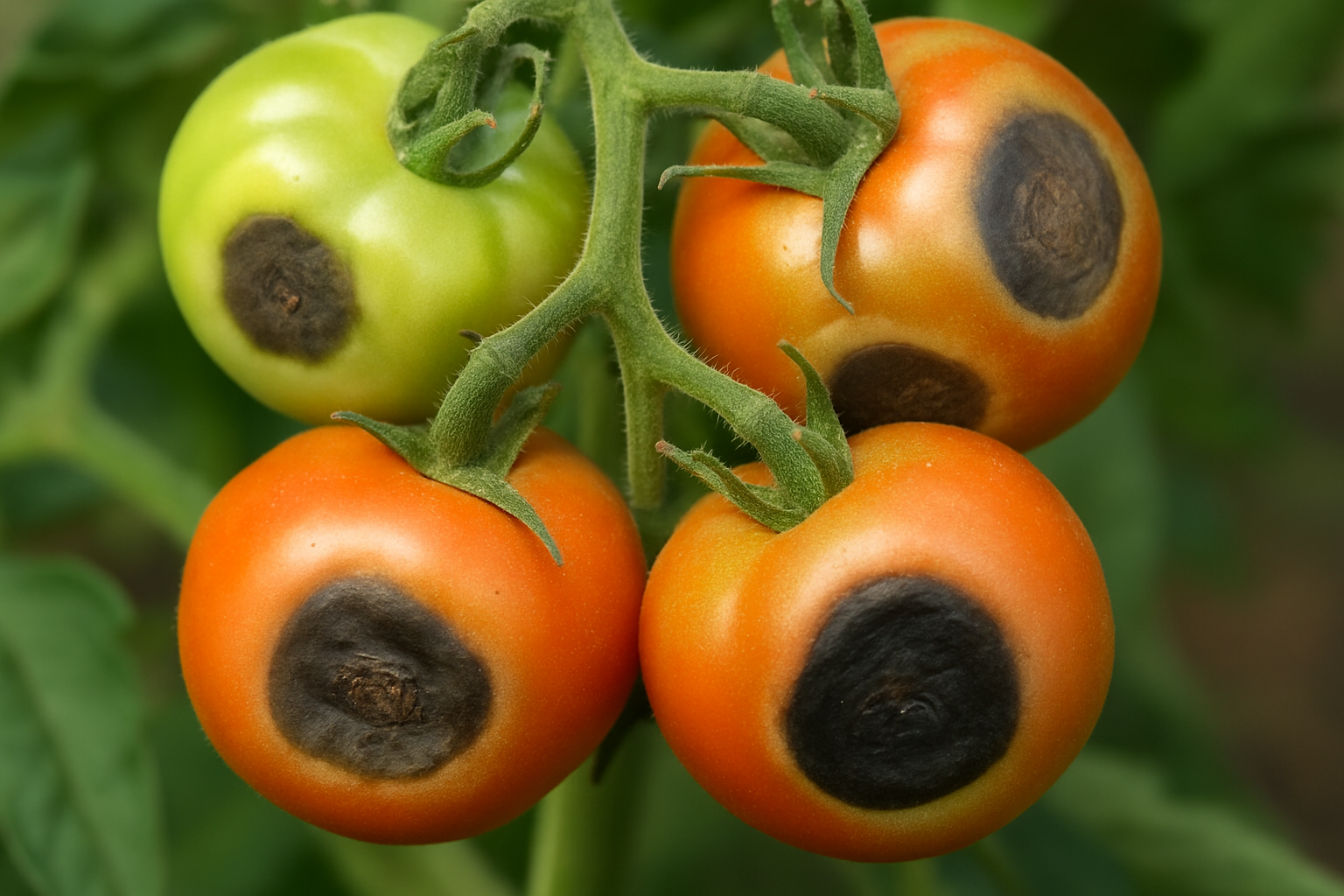
The condition manifests as a water-soaked, brown or black, sunken lesion on the blossom end (bottom) of the fruit, opposite from the stem.
Identifying Blossom End Rot
The initial symptoms of blossom end rot are subtle but progress rapidly:
-
Early stage: Small, water-soaked spots appear on the blossom end of the fruit, often when the tomato is still green or just beginning to ripen.
-
Intermediate stage: The spots enlarge and darken to a brown or black color, becoming sunken and leathery in texture.
-
Advanced stage: In severe cases, the affected area can cover up to half of the fruit and may develop secondary fungal or bacterial infections, causing the entire tomato to rot.
Blossom end rot typically affects the first fruits of the season most severely, though it can occur throughout the growing period under certain conditions.
The condition is most common in elongated tomato varieties like Roma, San Marzano, and some paste tomatoes, though it can affect any tomato variety.
Pull Quote: “Blossom end rot is not contagious between plants or fruits—it’s a physiological response to specific growing conditions, not a pathogen. This means that addressing the underlying causes can stop new fruits from developing the problem.”
The Science Behind Blossom End Rot
At its core, blossom end rot is caused by a calcium deficiency in the developing fruit.
Calcium is essential for cell wall development and stability in plants.
When calcium is insufficient during fruit formation, cell walls become weak and break down, leading to the characteristic lesions.
However—and this is crucial to understand—in most cases, the issue isn’t a lack of calcium in the soil.
Rather, it’s a problem with calcium transport and distribution within the plant itself.
Several factors can disrupt this process:
- Water stress: Inconsistent watering creates fluctuations in calcium uptake and movement
- Rapid growth: Fast-growing plants may outpace calcium distribution
- Root damage: Injured roots reduce calcium absorption capacity
- Excessive nitrogen: High nitrogen levels can inhibit calcium uptake
- Soil pH imbalance: Calcium becomes less available in very acidic or alkaline soils
- High salt concentration: Salinity can interfere with calcium absorption
Understanding these mechanisms is essential for effective prevention and treatment strategies, which we’ll explore in detail throughout this article.
The Primary Causes of Blossom End Rot
To effectively prevent and treat blossom end rot, we need to understand its causes in greater detail.
Let’s examine the key factors that contribute to this condition:
1. Calcium Deficiency (The Root of the Problem)
As mentioned earlier, calcium deficiency in the developing fruit is the immediate cause of blossom end rot.
Calcium plays several crucial roles in plant development:
- Strengthening cell walls
- Regulating cell membrane permeability
- Facilitating enzyme activity
- Supporting cell division and growth
When calcium levels are insufficient during critical fruit development stages, cell walls collapse, tissues break down, and the characteristic lesions form.
However, true soil calcium deficiency is relatively rare in most garden soils.
More commonly, the issue lies with calcium mobility and distribution within the plant.
2. Water Stress (The Most Common Trigger)
Inconsistent watering is the single most common factor leading to blossom end rot.
Here’s why:
- Calcium moves through plants in the water stream (xylem)
- During drought conditions, water (and calcium) is directed primarily to leaves rather than fruits
- When water is suddenly abundant after drought, rapid growth outpaces calcium distribution
- Fruits, especially at their rapidly expanding blossom end, suffer from calcium deficiency
This explains why blossom end rot often appears after periods of fluctuating weather—a week of rain followed by hot, dry conditions, for example.
The plant’s calcium transport system simply can’t keep up with these rapid changes.
3. Soil pH Imbalance
Soil pH significantly affects nutrient availability, including calcium:
| Soil pH Range | Effect on Calcium Availability |
|---|---|
| Below 5.5 | Calcium becomes less soluble and available to plants |
| 6.0 – 6.8 | Optimal range for calcium availability in tomatoes |
| Above 7.5 | Calcium may interact with other minerals, reducing availability |
In 2025, with changing climate patterns affecting soil chemistry in many regions, maintaining proper soil pH has become increasingly important for tomato growers.
4. Excessive Fertilization
Overfertilization, particularly with nitrogen-rich fertilizers, can trigger blossom end rot in several ways:
- Rapid vegetative growth: High nitrogen promotes leafy growth that outpaces the plant’s ability to transport calcium to fruits
- Nutrient competition: Excessive potassium, ammonium, or magnesium can compete with calcium for uptake
- Salt buildup: Many synthetic fertilizers increase soil salinity, which can inhibit calcium absorption
Modern fertilizer formulations have improved in balancing nutrients, but the risk remains, especially with inexperienced gardeners eager to boost production.
5. Environmental Factors
Several environmental conditions can contribute to blossom end rot:
- High temperatures: Heat stress affects transpiration rates and calcium movement
- Strong winds: Increased transpiration draws calcium to leaves rather than fruits
- High humidity: Reduces transpiration, potentially limiting calcium movement
- Root damage: From cultivation, pests, or diseases limits calcium uptake
Climate volatility in 2025 has made these environmental factors increasingly relevant for tomato growers worldwide.
6. Genetic Susceptibility (Not All Tomatoes Are Equal)
Research has shown that some tomato varieties are more prone to blossom end rot than others:
- Highly susceptible: Roma, San Marzano, plum, and many paste tomatoes
- Moderately susceptible: Many large-fruited varieties and beefsteaks
- Less susceptible: Cherry tomatoes and many modern hybrids specifically bred for BER resistance
Recent breeding advances have introduced new varieties with enhanced calcium utilization efficiency, offering better options for growers in challenging conditions.
Prevention Strategies (Keeping Blossom End Rot at Bay)
Now that we understand the causes, let’s explore comprehensive prevention strategies to keep your tomatoes healthy and rot-free.
Proper Watering Techniques
Consistent moisture is the cornerstone of blossom end rot prevention.
Here’s how to optimize your watering practices:
Deep, Infrequent Watering
Rather than light, frequent watering, aim for deeper, less frequent irrigation:
- Water deeply once or twice a week, providing 1-2 inches of water each time
- Allow the top inch of soil to dry slightly between waterings
- Adjust frequency based on weather conditions, soil type, and plant maturity
Irrigation Systems for Consistency
Modern irrigation options provide excellent consistency:
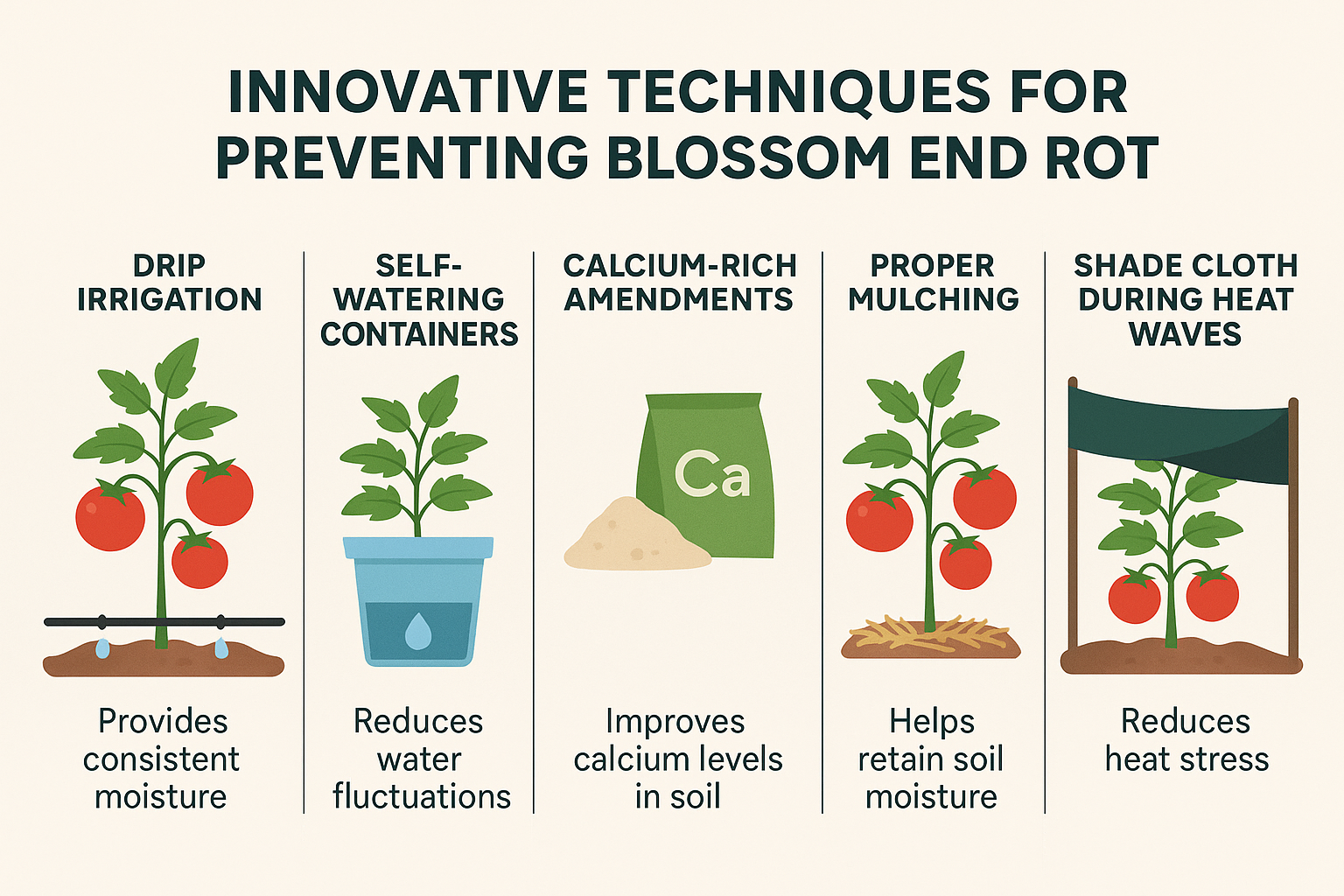
- Drip irrigation: Delivers water directly to the root zone with minimal waste
- Soaker hoses: Provide slow, even moisture distribution
- Smart irrigation controllers: In 2025, affordable smart controllers can adjust watering based on soil moisture, weather forecasts, and plant needs
- Self-watering containers: Excellent for patio gardeners, providing consistent moisture
Mulching: Nature’s Moisture Regulator
Applying a 2-3 inch layer of organic mulch around tomato plants offers multiple benefits:
- Reduces evaporation from soil
- Moderates soil temperature fluctuations
- Suppresses weeds that compete for water and nutrients
- Gradually adds organic matter to soil as it breaks down
Effective mulch materials include straw, shredded leaves, compost, or chemical-free grass clippings.
Soil Preparation and Management
Preparing your soil properly before planting can significantly reduce the risk of blossom end rot.
Soil Testing: Know What You’re Working With
Before amending soil, conduct a comprehensive soil test:
- Test for pH, calcium levels, and overall nutrient balance
- Many extension offices offer affordable testing services
- Home testing kits have become more accurate, though professional tests remain superior
- Test in fall or early spring to allow time for necessary amendments
pH Adjustment for Optimal Calcium Availability
Based on soil test results:
- For acidic soils (pH below 6.0): Add garden lime (calcium carbonate) according to test recommendations
- For alkaline soils (pH above 7.0): Add sulfur, peat moss, or naturally acidic compost
- Apply amendments several months before planting for maximum effectiveness
- Retest after major amendments to confirm desired changes
Organic Matter: The Soil Improver
Increasing organic matter improves both calcium availability and water retention:
- Add 2-3 inches of compost to planting areas annually
- Consider cover crops in the off-season to build soil structure
- Use well-aged manure (applied at least 4 months before planting)
- Incorporate worm castings, which are rich in available calcium
Fertilization Best Practices
Proper fertilization supports healthy growth while minimizing blossom end rot risk.
Balanced Nutrition
- Choose fertilizers with appropriate N-P-K ratios for tomatoes (lower nitrogen, higher phosphorus and potassium)
- Consider specialized tomato fertilizers with calcium included
- Apply fertilizers according to package directions—more is not better
- For organic gardeners, fish emulsion, seaweed extract, and compost tea provide balanced nutrition
Calcium Supplementation
While soil calcium is rarely the primary issue, supplementation can help:
- Eggshell tea: Steep crushed eggshells in water for 24-48 hours, then use the water for irrigation
- Calcium foliar sprays: Apply according to product directions during fruit development
- Calcium nitrate: Can be applied as a side dressing (use sparingly to avoid excess nitrogen)
- Gypsum (calcium sulfate): Adds calcium without altering soil pH
Pull Quote: “Prevention is far more effective than treatment when it comes to blossom end rot. A consistent watering schedule and balanced soil nutrition will do more to protect your tomatoes than any treatment applied after symptoms appear.”
Variety Selection and Planting Considerations
Strategic choices at planting time can reduce blossom end rot risk.
Choose Resistant Varieties
Modern breeding has produced tomato varieties with improved calcium utilization:
- Many cherry and grape tomatoes naturally resist blossom end rot
- Some modern hybrids are specifically bred for BER resistance
- Heirloom varieties generally have higher susceptibility
- Check seed catalogs for varieties noted as having good BER resistance
Container Considerations
Container-grown tomatoes require special attention:
- Use large containers (minimum 5 gallons) for adequate root development
- Select potting mixes with calcium included or add garden lime
- Monitor moisture levels carefully—containers dry out faster than garden soil
- Consider self-watering containers for consistent moisture
Treatment Options
Despite our best efforts, blossom end rot sometimes appears.
Here’s how to address it effectively:
Immediate Response Actions
When you spot the first signs of blossom end rot, take these steps:
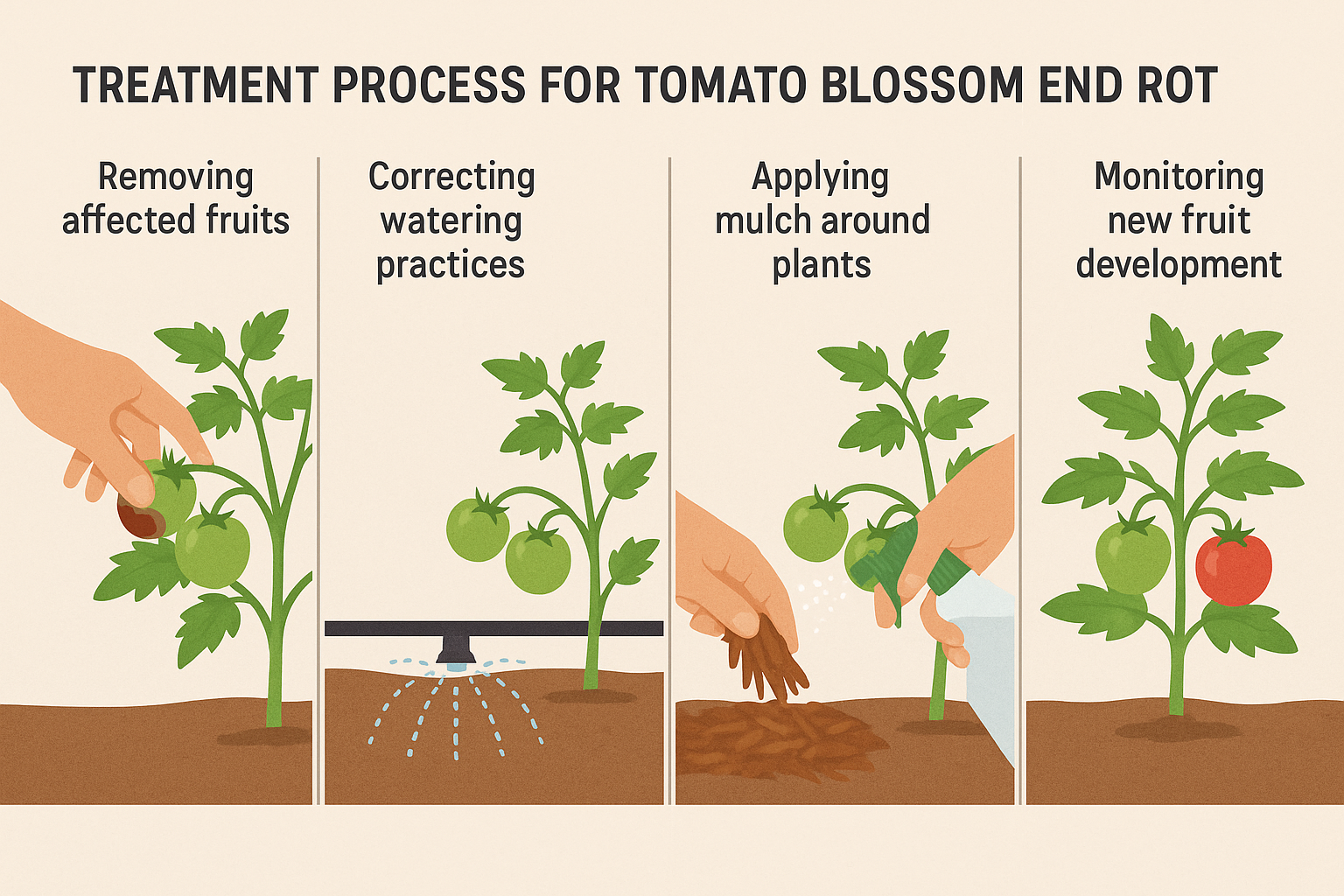
- Remove affected fruits: They won’t recover and will drain resources from the plant
- Evaluate and correct watering practices: Implement consistent watering immediately
- Apply mulch: If not already in place, add mulch to stabilize soil moisture
- Reduce stress: Provide shade during extreme heat if possible
Calcium Interventions
Several calcium treatments can help reduce further development of blossom end rot:
Foliar Calcium Sprays
Calcium sprays can provide a quick intervention:
- Apply commercial calcium sprays according to package directions
- DIY option: Mix 4 tablespoons of calcium nitrate in 1 gallon of water and spray foliage and developing fruits
- Apply early in the morning or evening, not during hot midday sun
- Repeat applications every 7-10 days during fruit development
Soil Calcium Amendments
While slower-acting, soil amendments can help with later-developing fruits:
- Apply gypsum (calcium sulfate) around plants according to package directions
- Water thoroughly after application to help calcium move into the root zone
- These treatments won’t fix already affected fruits but may prevent the problem in new fruits
Managing Affected Plants
Proper care of affected plants can minimize losses:
- Prune carefully: Remove some excess foliage to reduce transpiration demand
- Support plants well: Proper staking/caging reduces plant stress
- Harvest strategically: Pick fruits at first blush of ripeness to reduce time for BER development
- Continue regular care: Maintain consistent watering and appropriate feeding
Special Growing Situations and Blossom End Rot
Different growing methods present unique challenges and opportunities for managing blossom end rot.
Container Gardening
Container tomatoes face higher BER risk due to:
- Limited soil volume leading to faster moisture fluctuations
- Restricted root systems that can’t forage widely for nutrients
- More rapid temperature changes affecting water uptake
Container-specific strategies:
- Use self-watering containers or reservoir systems
- Choose larger containers (minimum 5 gallons per plant)
- Select potting mix with calcium or add garden lime
- Water more frequently but thoroughly
- Consider automated drip systems for consistent moisture
- Monitor more closely for early signs of stress
Hydroponic and Aeroponic Systems
Soilless growing systems require precise nutrient management:
- Maintain calcium levels between 150-200 ppm in nutrient solution
- Keep pH between 5.8-6.3 for optimal calcium availability
- Ensure proper electrical conductivity (EC) levels
- Monitor and maintain consistent water temperature
- Consider calcium-specific supplements designed for hydroponic systems
Greenhouse and High Tunnel Production
Protected growing environments present special considerations:
- Higher temperatures can accelerate transpiration and growth
- Humidity management affects calcium movement
- Limited natural rainfall means complete reliance on irrigation systems
- Consider CO₂ levels, which affect calcium utilization
Greenhouse-specific strategies:
- Install automated irrigation with moisture sensors
- Use shade cloth during extreme heat
- Maintain appropriate ventilation to manage humidity
- Consider calcium-enriched foliar sprays as preventative measures
The Role of Climate in Blossom End Rot
Climate factors significantly influence blossom end rot development.
Understanding these relationships helps growers adapt to challenging conditions.
Climate Change Impacts
Recent climate trends have affected tomato growing in several ways:
- More frequent extreme weather events create moisture fluctuations
- Extended heat waves increase transpiration and stress
- Changing precipitation patterns disrupt traditional watering schedules
- Regional shifts in growing seasons affect planting times
Adaptation strategies:
- Install rain barrels or catchment systems to capture precipitation
- Consider season extension techniques like row covers or high tunnels
- Select varieties bred for climate resilience
- Implement microclimate modifications like shade cloth during extreme heat
- Adjust planting dates to avoid the most challenging weather periods
Regional Considerations
Different growing regions face unique blossom end rot challenges:
Arid/Desert Regions
- High evaporation rates create constant moisture stress
- Intense sun exposure increases transpiration
- Often alkaline soils and water affect calcium availability
Regional strategies:
- Shade cloth during peak sun hours
- Deep mulching to conserve moisture
- More frequent, deep watering
- Soil acidification for calcium availability
Humid/Rainy Regions
- Excessive rainfall can leach calcium from soil
- High humidity may reduce transpiration and calcium movement
- Frequent rain makes consistent moisture management challenging
Regional strategies:
- Raised beds for better drainage
- Cover crops to prevent nutrient leaching
- Foliar calcium applications during rainy periods
- Covered growing areas for rain protection
Cold Climate/Short Season Areas
- Rapid temperature fluctuations stress plants
- Shorter growing seasons compress fruit development timeframes
- Cold soil temperatures can limit nutrient uptake
Regional strategies:
- Black plastic mulch to warm soil
- Season extension techniques
- Cold-tolerant varieties with BER resistance
- Supplemental calcium early in the season
Common Myths and Misconceptions
Several persistent myths about blossom end rot can lead gardeners astray.
Let’s address these misconceptions:
Myth 1: Blossom End Rot Is a Disease or Fungus
Truth: Blossom end rot is a physiological disorder, not a pathogen.
It cannot spread from plant to plant like a disease.
While secondary fungi may colonize the affected areas, they are opportunistic invaders, not the cause.
Myth 2: Adding Eggshells to Planting Holes Prevents Blossom End Rot
Truth: While eggshells do contain calcium, they break down very slowly.
Crushed eggshells in planting holes won’t provide readily available calcium during the current growing season.
They’re beneficial for long-term soil improvement but not immediate calcium needs.
Myth 3: Epsom Salts Help Prevent Blossom End Rot
Truth: This is actually counterproductive. Epsom salts contain magnesium sulfate, not calcium.
Excess magnesium can compete with calcium for uptake, potentially worsening blossom end rot.
Use Epsom salts only when a soil test confirms magnesium deficiency.
Myth 4: Once a Plant Shows Blossom End Rot, All Its Fruits Will Be Affected
Truth: With proper intervention, plants can produce healthy fruits after showing initial blossom end rot symptoms. Early-season fruits are most susceptible; later fruits often develop normally once conditions improve.
Myth 5: More Fertilizer Will Fix Blossom End Rot
Truth: Excessive fertilizer, especially nitrogen-rich formulations, can actually worsen blossom end rot by promoting rapid growth that outpaces calcium distribution.
Balanced, moderate fertilization is key.
Advanced Techniques for Commercial Growers
Commercial tomato producers have access to additional strategies for managing blossom end rot:
Precision Irrigation Systems
Advanced irrigation technology helps maintain optimal moisture levels:
- Soil moisture sensors: Provide real-time data on moisture conditions at various soil depths
- Variable rate irrigation: Delivers different amounts of water to different zones based on needs
- Automated controllers: Adjust watering based on environmental conditions and plant growth stages
- Deficit irrigation strategies: Carefully managed stress can improve fruit quality while minimizing BER
Tissue Testing and Nutrient Management
Beyond soil testing, commercial growers can utilize:
- Petiole sap testing: Provides immediate feedback on plant nutrient status
- Leaf tissue analysis: Offers comprehensive nutrient profile of plants
- Fertigation systems: Deliver precise nutrient formulations through irrigation
- Custom nutrient formulations: Tailored to specific growing conditions and varieties
Climate Control Strategies
In protected growing environments:
- Fogging systems: Reduce transpiration during extreme heat
- CO₂ enrichment: Can improve calcium utilization efficiency
- Automated venting: Manages humidity and temperature
- Supplemental lighting: Extends growing season and improves photosynthesis
The Future of Blossom End Rot Management
Advances in agricultural science continue to improve our ability to manage blossom end rot.
Emerging Research and Technologies
Recent developments show promise for better BER management:
- Genetic engineering: CRISPR technology is being used to develop tomato varieties with enhanced calcium utilization efficiency
- Beneficial microorganisms: Certain mycorrhizal fungi and bacteria improve calcium uptake and transport
- Nanotechnology: Calcium nanoparticles provide more readily available calcium that can move more easily through plant tissues
- AI-driven growing systems: Machine learning algorithms optimize irrigation and nutrient delivery based on environmental conditions and plant responses
Sustainable Approaches Gaining Traction
In 2025, sustainable blossom end rot management practices are becoming mainstream:
- Biochar amendments: Improve water retention and nutrient availability
- Companion planting: Certain companions may help regulate soil moisture
- Indigenous growing techniques: Traditional methods like “Three Sisters” planting provide natural moisture regulation
- Water conservation systems: Rainwater harvesting and graywater utilization reduce water stress during dry periods
FAQs About Tomatoes Blossom End Rot
To address common concerns, here are answers to frequently asked questions about blossom end rot:
Can I eat tomatoes with blossom end rot?
Answer: Yes, you can eat the unaffected portions of tomatoes with blossom end rot.
Simply cut away the damaged area. The rest of the fruit is safe to consume, though flavor and texture may be compromised.
For best culinary results, use these tomatoes in cooked dishes rather than fresh applications.
How quickly can I expect to see results after implementing prevention measures?
Answer: Timeline for improvement varies:
- Watering corrections: New fruits developing after consistent watering is established (about 2-3 weeks) often show improvement
- Calcium sprays: May help fruits that are in early development stages, with results visible within 1-2 weeks
- Soil amendments: Slower acting, typically benefiting fruits that develop 3-4 weeks after application
- Complete resolution: Usually occurs with the next flush of fruits after corrections are implemented
Does blossom end rot affect all tomato varieties equally?
Answer: No. Susceptibility varies significantly:
- Cherry and grape tomatoes are generally most resistant
- Roma, plum, and paste tomatoes are typically most susceptible
- Beefsteak and other large-fruited varieties fall somewhere in between
- Modern hybrids often have better resistance than heirloom varieties
- Determinate varieties (which set fruit all at once) may show more severe symptoms than indeterminate types
Can overhead watering cause blossom end rot?
Answer: Overhead watering itself doesn’t directly cause blossom end rot. However, it can contribute to the problem by:
- Creating more inconsistent soil moisture compared to drip irrigation
- Potentially increasing disease pressure, which can damage roots and reduce calcium uptake
- Leading to shallow watering practices that don’t adequately moisten the entire root zone
For best results, drip irrigation or soaker hoses that deliver water directly to the soil are preferred.
Is there a quick fix for blossom end rot once it appears?
Answer: Unfortunately, there’s no immediate cure for fruits already showing symptoms—the damaged tissue cannot be repaired. However, you can:
- Remove affected fruits to redirect the plant’s energy to new development
- Immediately implement consistent watering practices
- Apply calcium foliar sprays to protect developing fruits
- Add mulch to stabilize soil moisture
These steps can prevent the problem in subsequently developing fruits.
Seasonal Guide to Preventing Blossom End Rot
Managing blossom end rot requires different approaches throughout the growing season.
Here’s a seasonal guide:
Spring: Preparation Phase
Early Spring (8-10 weeks before planting):
- Conduct soil tests
- Apply lime if needed to adjust pH (requires time to work)
- Start composting for season-long soil improvement
Late Spring (2-4 weeks before planting):
- Prepare planting areas with compost and balanced fertilizer
- Set up irrigation systems
- Select resistant varieties if BER has been a problem previously
Summer: Active Growing Season
Early Summer (planting through first fruit set):
- Establish consistent watering patterns
- Apply mulch once soil has warmed
- Monitor for first signs of fruit development
- Apply preventative calcium sprays if growing susceptible varieties
Mid-Summer (main fruiting period):
- Maintain watering consistency, especially during heat waves
- Watch first fruits carefully for early BER symptoms
- Remove affected fruits promptly
- Provide afternoon shade during extreme heat if possible
- Continue calcium sprays according to product directions
Late Summer:
- Adjust watering as temperatures and plant needs change
- Monitor later fruit sets, which often show less BER
- Take notes on variety performance for future planning
Fall: Evaluation and Planning
- Document successes and challenges for future reference
- Clean up and compost disease-free plant material
- Consider cover crops to improve soil for next season
- Analyze which varieties performed best
- Plan irrigation improvements if needed
Winter: Research and Education
- Review growing notes from previous season
- Research new varieties with BER resistance
- Plan garden layout considering crop rotation
- Maintain compost systems for spring soil improvement
- Repair and upgrade irrigation systems
DIY Solutions for Blossom End Rot
For gardeners who prefer homemade remedies, here are several DIY approaches to preventing and managing blossom end rot:
Homemade Calcium Spray
Ingredients:
- 1 cup milk (any type)
- 1 gallon water
- 1 tablespoon molasses (optional, helps solution stick to leaves)
Instructions:
- Mix all ingredients thoroughly
- Transfer to a clean spray bottle or garden sprayer
- Apply to tomato plants in early morning, focusing on leaves and developing fruits
- Repeat weekly during fruit development
Eggshell Calcium Water
Ingredients:
- 10-12 clean, crushed eggshells
- 1 gallon water
- 1 tablespoon vinegar (helps extract calcium)
Instructions:
- Crush eggshells into small pieces
- Add to water with vinegar
- Let steep for 24-48 hours
- Strain liquid and use for watering tomato plants
- Apply directly to soil around plants, not as a foliar spray
DIY Self-Watering System
Materials:
- 2-liter plastic bottles
- Drill with small bit
- Scissors
Instructions:
- Cut bottom off plastic bottles
- Drill 3-4 small holes in cap
- Bury bottle cap-down near tomato plants, leaving 1-2 inches exposed
- Fill bottles with water
- Water will slowly seep out, providing consistent moisture
Banana Peel Fertilizer
Ingredients:
- 3-4 banana peels
- 1 gallon water
Instructions:
- Cut banana peels into small pieces
- Soak in water for 3 days
- Strain and use the water for irrigating tomato plants
- Banana peels provide potassium and trace calcium
Homemade Mulch Options
Materials (use what you have):
- Shredded newspaper (black and white only)
- Cardboard (with tape and staples removed)
- Grass clippings (from untreated lawns)
- Fallen leaves
Instructions:
- Apply 2-3 inches around tomato plants
- Keep mulch 1-2 inches away from stems
- Replenish as needed throughout the growing season
Beyond Tomatoes: Blossom End Rot in Other Crops
While this article focuses on tomatoes, blossom end rot affects several other garden favorites. T
he principles of prevention and treatment remain similar across crops.
Peppers
Peppers (especially elongated varieties like Italian and banana peppers) frequently develop blossom end rot:
- Symptoms appear as tan or brown lesions on the blossom end
- Prevention strategies mirror those for tomatoes
- Bell peppers tend to be somewhat less susceptible than long varieties
Eggplant
Eggplant blossom end rot presents as:
- Dark, sunken areas at the blossom end of developing fruits
- Often accompanied by fruit deformation
- Most common during first fruit set
- Particularly problematic in long, thin Asian eggplant varieties
Summer Squash and Zucchini
In squash family crops:
- Symptoms appear as water-soaked areas that darken and dry out
- Often coincides with rapid growth during warm weather
- Prevention focuses on consistent moisture and calcium availability
- Mulching is particularly effective for these shallow-rooted plants
Watermelon
Though less common, watermelons can develop blossom end rot:
- Appears as light brown, leathery patches on the blossom end
- Often coincides with periods of rapid fruit expansion
- Consistent irrigation is especially important due to the large fruit size
Conclusion
Blossom end rot, while frustrating, is one of the most preventable tomato growing challenges.
By understanding its causes and implementing appropriate prevention strategies, you can significantly reduce or eliminate this common problem from your garden.
The most important takeaways from this comprehensive guide include:
-
Consistent watering is the foundation of blossom end rot prevention. Establish regular watering patterns and consider irrigation systems that deliver consistent moisture.
-
Soil health matters. Proper pH, adequate calcium, and good structure create the conditions for healthy calcium uptake and transport.
-
Mulching provides multiple benefits, from moisture regulation to gradual nutrient release, making it one of the simplest yet most effective prevention strategies.
-
Variety selection can make a significant difference, with some tomato types naturally more resistant to blossom end rot than others.
-
Early intervention is crucial when symptoms appear. Remove affected fruits and correct underlying issues immediately to protect developing tomatoes.
Gardening can get harder when the weather changes and the ground doesn’t act the same.
That’s why the tips in this guide are extra helpful for growing tomatoes without problems like blossom end rot.
If it happens, don’t feel like you failed.
It’s a chance to learn about your garden.
Next time you’ll know what to watch and how to adjust.
With the ideas here, you’re closer to healthy, tasty tomatoes—and a better harvest each season.