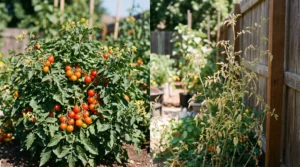
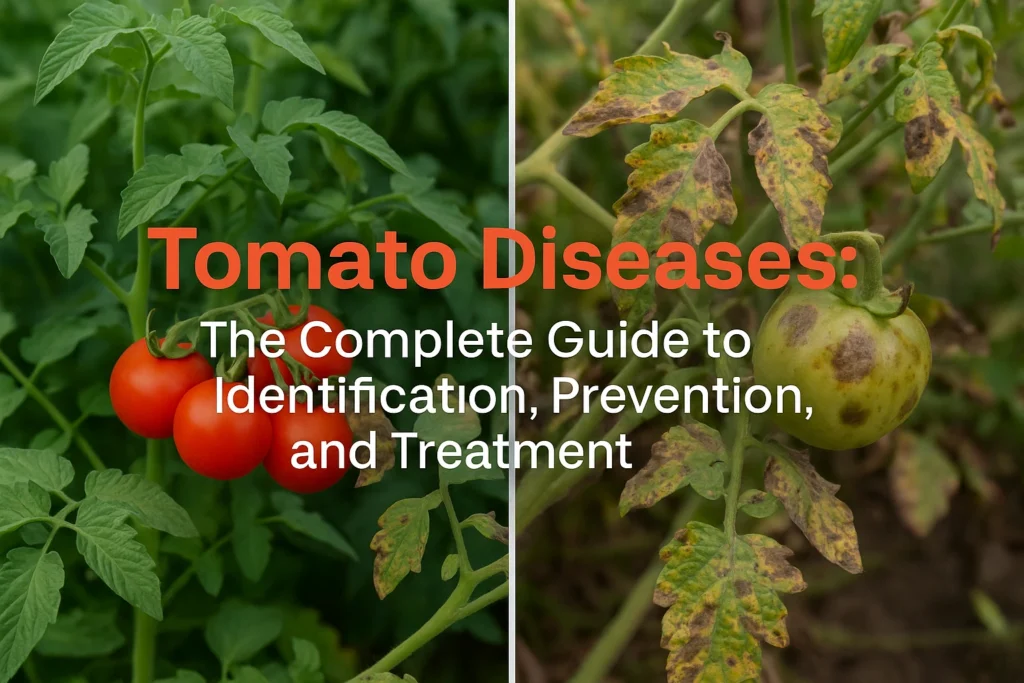
I still remember the first time I encountered late blight in my garden.
It was a warm July morning in 2023, and I had been proudly watching my tomato plants flourish for weeks.
Then, seemingly overnight, dark lesions appeared on the leaves, and within days, my once-thriving plants were withered and dying.
That devastating experience taught me a valuable lesson: understanding tomato diseases isn’t just helpful—it’s essential for any gardener who wants to enjoy a successful harvest.
Tomatoes (Solanum lycopersicum) remain one of the most popular vegetables grown worldwide, with global production exceeding 180 million tons annually as of 2025.
However, these beloved plants are susceptible to a wide range of diseases that can quickly devastate entire crops.
Whether you’re a commercial grower managing acres of tomatoes or a home gardener tending to a few potted plants on your patio, being able to identify, prevent, and treat common tomato diseases is crucial for success.
In this comprehensive guide, we’ll explore the most prevalent tomato diseases affecting crops, examine their causes and symptoms, and provide practical strategies for prevention and treatment.
With climate change intensifying disease pressure and new pathogen variants emerging, staying informed is more important than ever.
Key Takeaways
- Early detection is critical: Learn to identify tomato disease symptoms at their earliest stages when treatment is most effective.
- Prevention trumps treatment: Implementing good cultural practices like crop rotation, proper spacing, and sanitation can prevent many common tomato diseases.
- Know your pathogens: Understanding whether a disease is caused by a fungus, bacterium, virus, or environmental factor determines the appropriate treatment approach.
- Climate matters: Many tomato diseases are influenced by specific environmental conditions; knowing these relationships helps predict and prevent outbreaks.
- Integrated management works best: Combining cultural, biological, and chemical controls provides the most effective and sustainable disease management strategy.
Understanding Tomato Diseases: The Basics
Before diving into specific diseases, it’s important to understand the fundamental categories of tomato diseases and how they spread.
This knowledge forms the foundation for effective management strategies.
Types of Tomato Disease Pathogens
Tomato diseases can be classified based on the type of pathogen causing the infection:
-
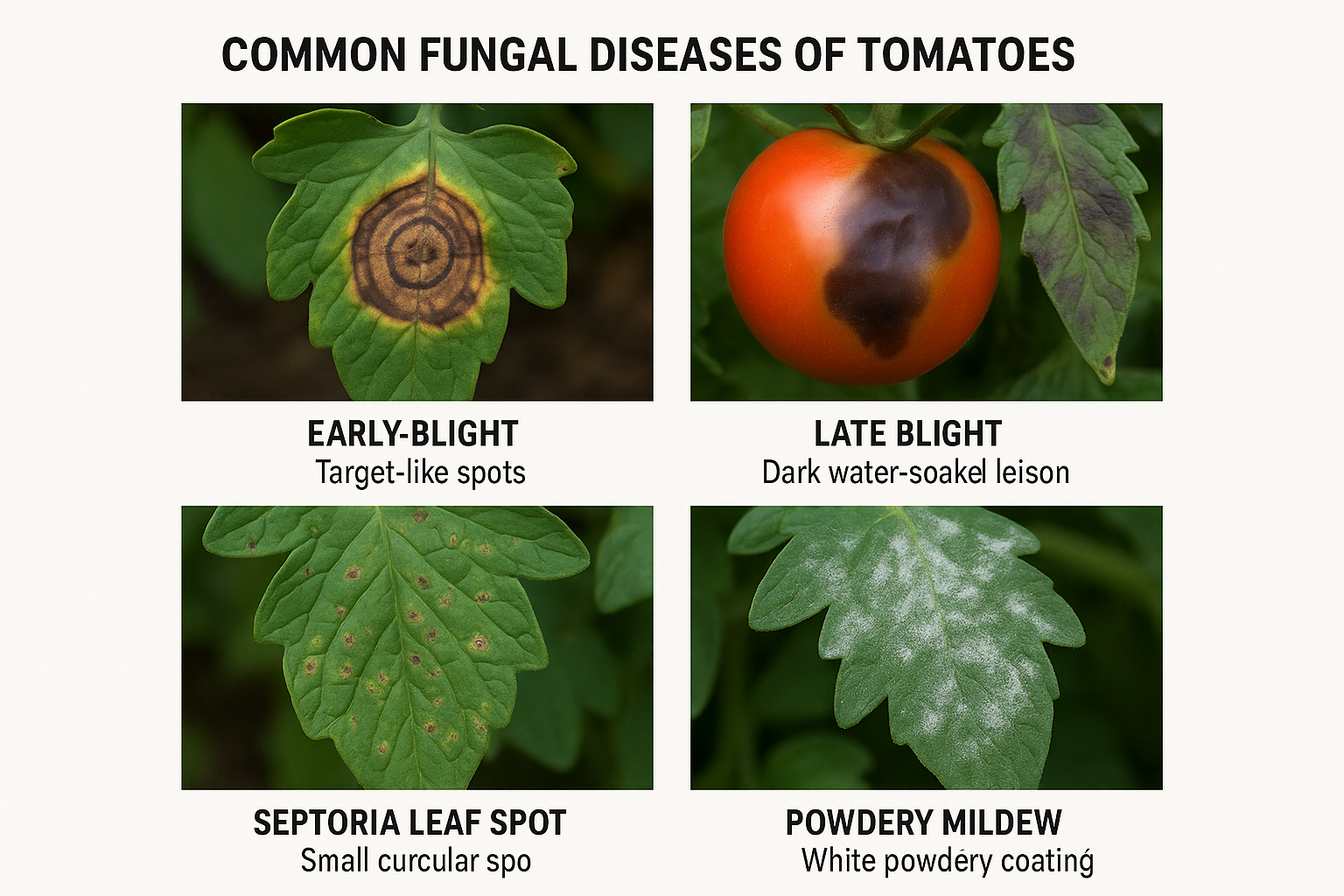
Fungal diseases: These are the most common tomato diseases, including early blight, late blight, Septoria leaf spot, and Fusarium wilt. Fungi thrive in warm, humid conditions and often spread through water splash, wind, or contaminated tools.
-
Bacterial diseases: These include bacterial spot, bacterial speck, and bacterial canker. Bacteria typically enter plants through wounds or natural openings and can spread rapidly in wet conditions.
-
Viral diseases: Tomato mosaic virus, tomato spotted wilt virus, and tomato yellow leaf curl virus are examples. Viruses are often transmitted by insect vectors like aphids, thrips, or whiteflies.
-
Physiological disorders: These aren’t caused by pathogens but by environmental factors or nutrient imbalances. Examples include blossom end rot, catfacing, and sunscald.
Disease Triangle: The Key to Understanding Plant Diseases
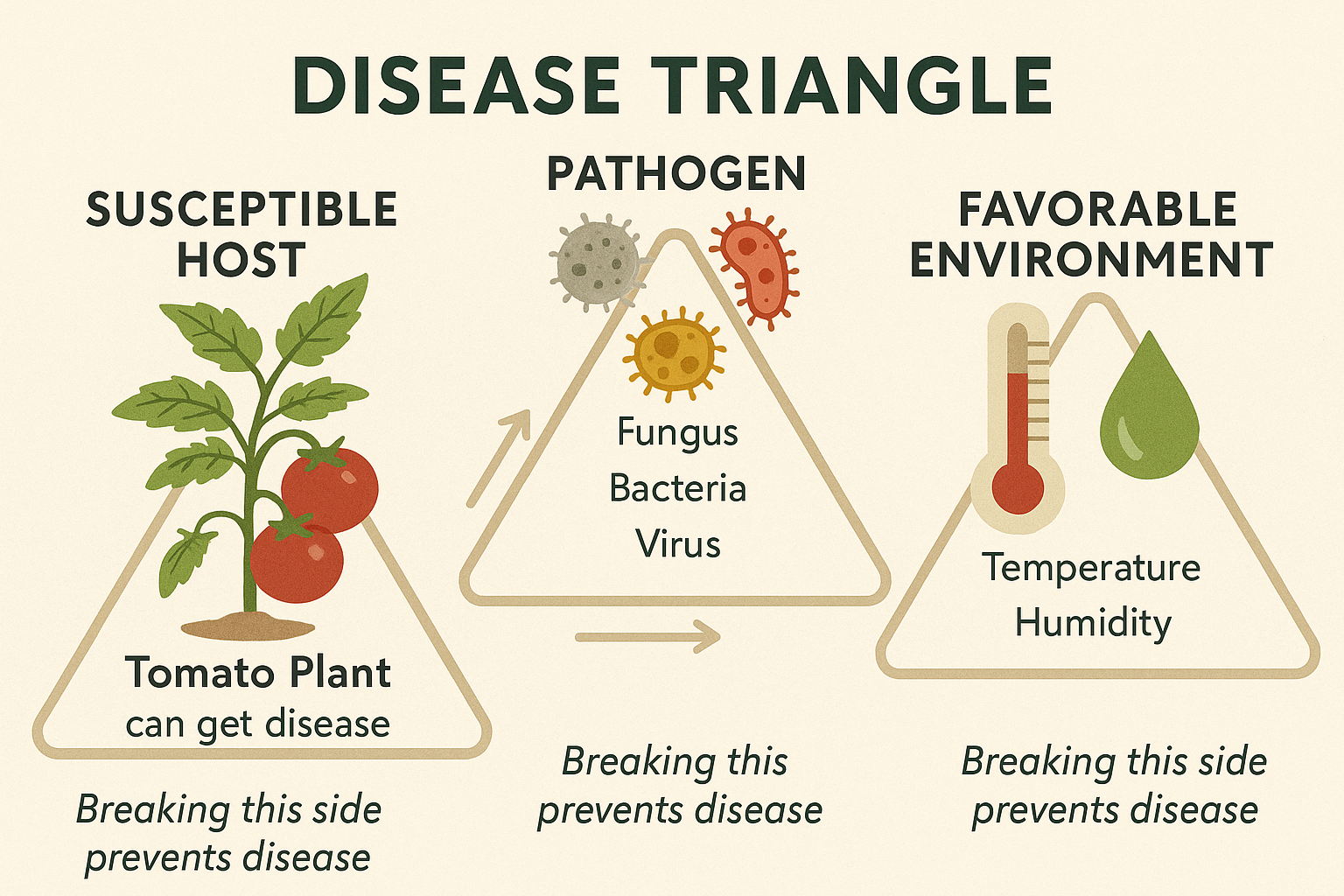
Plant pathologists use the concept of the “disease triangle” to explain why diseases occur.
For a disease to develop, three elements must be present simultaneously:
- Susceptible host: A tomato plant variety that lacks resistance to the specific pathogen.
- Virulent pathogen: The disease-causing organism must be present and capable of causing infection.
- Favorable environment: Conditions such as temperature, humidity, and moisture must support pathogen growth and infection.
If any one of these factors is absent, disease will not develop.
This understanding is fundamental to developing effective disease management strategies.
Pull Quote: “Breaking any side of the disease triangle is the key to preventing tomato diseases. Remove the pathogen, create an unfavorable environment, or plant resistant varieties—any of these approaches can keep your tomatoes healthy.” – Dr. Amanda Chen, Plant Pathologist
How Tomato Diseases Spread
Understanding disease transmission helps in implementing effective prevention measures:
- Soil: Many pathogens survive in soil for years. Fusarium and Verticillium wilts are notorious soil-borne diseases.
- Water: Splashing water from rain or irrigation can spread spores from soil to plants or between plants.
- Air: Wind can carry fungal spores over long distances.
- Seeds: Some diseases are seed-borne, meaning they can be introduced through infected seeds.
- Insects: Aphids, whiteflies, and thrips can transmit viral diseases.
- Human activity: Contaminated tools, hands, and clothing can spread diseases between plants.
Major Fungal Diseases of Tomatoes
Fungal diseases account for the majority of tomato disease problems worldwide. Let’s examine the most significant ones affecting tomato crops in 2025.
Early Blight (Alternaria solani)
Early blight remains one of the most common tomato diseases I encounter in gardens across North America.
This fungal disease is caused by Alternaria solani and typically appears first on the lower, older leaves.
Symptoms:
- Dark brown to black spots with concentric rings (target-like appearance)
- Yellow areas surrounding the spots
- Lesions that enlarge and may cause leaves to turn yellow, wither, and drop
- Fruit infections appear as dark, leathery spots often at the stem end
Favorable Conditions:
- Temperatures between 75-85°F (24-29°C)
- High humidity or extended leaf wetness
- Stressed or aging plants are more susceptible
Management:
- Cultural controls: Remove infected leaves promptly; avoid overhead watering; maintain adequate plant spacing for air circulation; use mulch to prevent soil splash.
- Resistant varieties: Choose varieties labeled “EB” for early blight resistance.
- Chemical controls: Fungicides containing chlorothalonil, mancozeb, or copper can be effective when applied preventatively.
- Biological controls: Some Bacillus subtilis strains have shown effectiveness against early blight.
Prevention Tips:
- Implement a 3-4 year crop rotation with non-solanaceous crops
- Remove and destroy plant debris at the end of the season
- Apply mulch to create a barrier between soil and leaves
Late Blight (Phytophthora infestans)
Late blight is infamous for causing the Irish Potato Famine in the 1840s and remains a serious threat to tomato production worldwide.
In recent years, new strains have emerged that are more aggressive and resistant to fungicides, making this disease particularly challenging in 2025.
Symptoms:
- Pale green to brown water-soaked spots on leaves
- White, fuzzy growth on the undersides of leaves (especially in humid conditions)
- Rapidly spreading lesions that turn dark brown to black
- Brown, firm lesions on fruit that quickly rot the entire tomato
- Rapid plant collapse that can occur within days under favorable conditions
Favorable Conditions:
- Cool, wet weather (60-70°F or 15-21°C)
- High humidity or fog
- Extended periods of leaf wetness
Management:
- Cultural controls: Increase plant spacing; avoid overhead irrigation; remove volunteer tomato and potato plants.
- Chemical controls: Preventative applications of fungicides containing chlorothalonil, mancozeb, or copper; systemic fungicides for active infections.
- Biological controls: Some biofungicides containing Bacillus species may offer limited protection.
Prevention Tips:
- Monitor disease forecasting systems available in many regions
- Apply fungicides preventatively when conditions favor disease
- Remove and destroy infected plants immediately to prevent spread
Septoria Leaf Spot (Septoria lycopersici)
Septoria leaf spot is particularly common in home gardens and can cause significant defoliation if left untreated.
Symptoms:
- Small, circular spots with dark borders and light gray centers
- Spots typically 1/16 to 1/4 inch in diameter
- Tiny black dots (pycnidia) visible in the center of spots
- Infection usually begins on lower leaves and moves upward
- Severe infections cause extensive yellowing, leaf drop, and reduced yields
Favorable Conditions:
- Warm temperatures (68-77°F or 20-25°C)
- High humidity
- Frequent rainfall or overhead irrigation
Management:
- Cultural controls: Remove infected leaves; improve air circulation; avoid overhead watering.
- Chemical controls: Fungicides containing chlorothalonil, copper, or mancozeb applied at first sign of disease.
- Biological controls: Some organic fungicides containing Bacillus subtilis may provide limited control.
Prevention Tips:
- Practice crop rotation with non-solanaceous crops for at least 2 years
- Remove all tomato debris at the end of the season
- Apply mulch to prevent soil splash
Fusarium Wilt (Fusarium oxysporum f. sp. lycopersici)
Fusarium wilt is a soil-borne disease that can persist in soil for years. There are three races of the pathogen (races 1, 2, and 3), with new variants continuing to emerge.
Symptoms:
- Yellowing of lower leaves, often on one side of the plant or one side of a leaf
- Wilting during the hottest part of the day, with recovery at night
- Browning of vascular tissue visible when stem is cut lengthwise
- Stunted growth and eventual plant death
- Symptoms typically appear as plants begin to set fruit
Favorable Conditions:
- Warm soil temperatures (80-90°F or 27-32°C)
- Acidic soils (pH below 6.0)
- Poor drainage or waterlogged conditions
- Presence of root-knot nematodes can increase severity
Management:
- Resistant varieties: Plant varieties with resistance to the specific Fusarium races present in your area (labeled as F1, F2, or F3).
- Cultural controls: Raise soil pH to 6.5-7.0; improve soil drainage; avoid moving soil from infected areas.
- Soil solarization: In warm climates, covering moistened soil with clear plastic during hot summer months can reduce pathogen populations.
Prevention Tips:
- Use disease-free transplants
- Practice crop rotation with non-susceptible crops for 5-7 years
- Consider grafting susceptible varieties onto resistant rootstocks
Verticillium Wilt (Verticillium dahliae and V. albo-atrum)
Similar to Fusarium wilt, Verticillium wilt is a soil-borne vascular disease, but it typically occurs in cooler conditions.
Symptoms:
- V-shaped yellowing and wilting of lower leaves
- Wilting during hot days with recovery at night
- Light brown discoloration of vascular tissue when stem is cut
- Stunted growth and reduced yield
- Plants rarely die but remain unproductive
Favorable Conditions:
- Cooler soil temperatures (70-75°F or 21-24°C)
- Neutral to alkaline soils
- Previously cultivated land with a history of susceptible crops
Management:
- Resistant varieties: Plant varieties labeled with “V” for Verticillium resistance.
- Cultural controls: Improve soil drainage; avoid excessive nitrogen fertilization.
- Soil solarization: Can be effective in reducing pathogen populations in warmer regions.
Prevention Tips:
- Practice long-term crop rotation (4+ years)
- Control weeds that may serve as alternate hosts
- Avoid planting in fields with a history of the disease
Powdery Mildew (Leveillula taurica and Oidium neolycopersici)
Powdery mildew on tomatoes has become increasingly common in recent years, particularly in greenhouse production.
Symptoms:
- White, powdery fungal growth on upper and lower leaf surfaces
- Yellow patches on leaves corresponding to the powdery areas
- Leaves may curl, dry out, and drop prematurely
- Reduced photosynthesis leading to decreased yield and fruit quality
Favorable Conditions:
- Moderate temperatures (60-80°F or 15-27°C)
- High humidity but dry leaf surfaces
- Dense plant canopies with poor air circulation
- Fluctuating day/night temperatures
Management:
- Cultural controls: Improve air circulation; avoid excessive nitrogen fertilization.
- Chemical controls: Sulfur-based fungicides, potassium bicarbonate, or conventional fungicides labeled for powdery mildew.
- Biological controls: Products containing Bacillus subtilis or Bacillus amyloliquefaciens.
Prevention Tips:
- Plant resistant varieties when available
- Space plants adequately to promote air circulation
- Avoid overhead irrigation
Bacterial Diseases of Tomatoes
Bacterial diseases can be particularly challenging because they spread rapidly under favorable conditions and have fewer effective treatment options compared to fungal diseases.
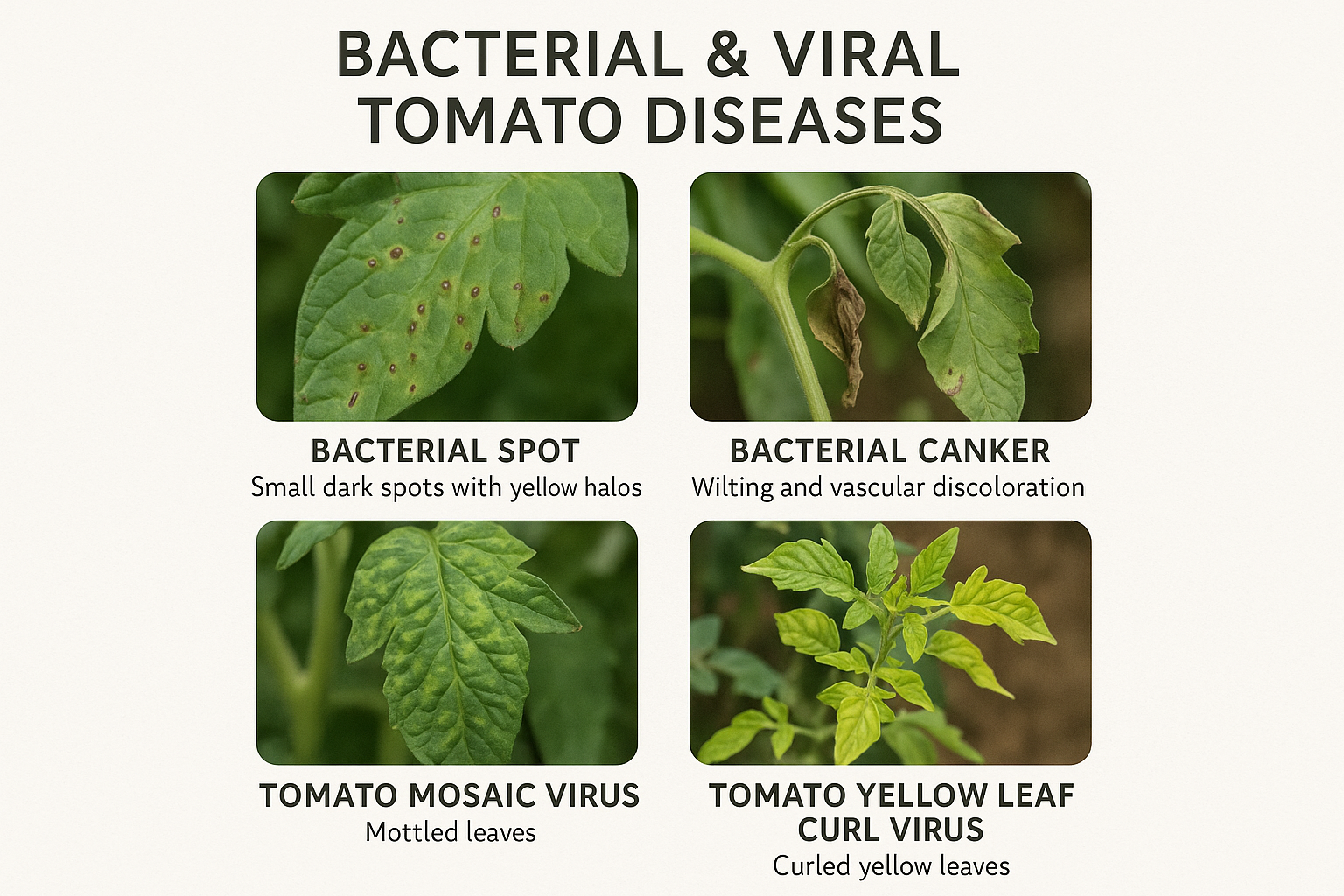
Bacterial Spot (Xanthomonas spp.)
Bacterial spot is a significant problem in warm, humid regions and can affect both leaves and fruit.
Symptoms:
- Small, water-soaked spots on leaves that enlarge to 1/8-1/4 inch
- Spots turn dark brown to black with a yellow halo
- Lesions may merge, causing extensive leaf blight
- Fruit spots begin as small, black, raised specks that develop into scabby lesions
- Severe defoliation can occur, exposing fruit to sunscald
Favorable Conditions:
- Warm temperatures (75-86°F or 24-30°C)
- High humidity or frequent rainfall
- Overhead irrigation that keeps foliage wet
- Movement through fields when foliage is wet
Management:
- Cultural controls: Avoid overhead irrigation; improve air circulation; don’t work in fields when plants are wet.
- Chemical controls: Copper-based bactericides applied preventatively; antibiotics in some regions where permitted.
- Biological controls: Some biological products containing beneficial bacteria may reduce severity.
Prevention Tips:
- Use disease-free seeds and transplants
- Practice crop rotation for at least 2 years
- Remove and destroy crop debris after harvest
Bacterial Speck (Pseudomonas syringae pv. tomato)
Bacterial speck is similar to bacterial spot but tends to occur in cooler conditions.
Symptoms:
- Small, dark brown to black spots on leaves, stems, and fruit
- Spots are typically smaller than bacterial spot (hence the name “speck”)
- Leaf spots often have a yellow halo
- Fruit specks are slightly raised and rarely exceed 1/16 inch in diameter
- Fruit specks are superficial and don’t typically affect eating quality
Favorable Conditions:
- Cool, moist conditions (55-75°F or 13-24°C)
- High humidity or rainfall
- Young, succulent plant tissue is most susceptible
Management:
- Cultural controls: Avoid overhead irrigation; improve air circulation; remove infected plants.
- Chemical controls: Copper-based bactericides applied preventatively.
- Resistant varieties: Some varieties with resistance to bacterial speck are available.
Prevention Tips:
- Use pathogen-free seed and transplants
- Sanitize tools and equipment regularly
- Practice crop rotation
Bacterial Canker (Clavibacter michiganensis subsp. michiganensis)
Bacterial canker is one of the most destructive bacterial diseases of tomato, capable of causing significant yield losses.
Symptoms:
- Wilting of leaves, often starting on one side of the plant
- Brown streaking of stems and leaf petioles
- Vascular discoloration when stems are cut
- “Bird’s-eye” spots on fruit (white spots with raised brown centers)
- Plant death in severe cases
Favorable Conditions:
- Moderate to warm temperatures (75-90°F or 24-32°C)
- High humidity
- Wounds from pruning, insect damage, or mechanical injury
- Overhead irrigation or splashing water
Management:
- Cultural controls: Remove infected plants immediately; disinfect tools between plants; avoid working with plants when wet.
- Chemical controls: Copper-based bactericides may provide limited protection against infection but won’t cure infected plants.
Prevention Tips:
- Use certified disease-free seeds and transplants
- Practice crop rotation for at least 3 years
- Thoroughly clean and disinfect greenhouse structures between crops
Bacterial Wilt (Ralstonia solanacearum)
Bacterial wilt is a devastating disease, particularly in warm, tropical and subtropical regions.
Symptoms:
- Rapid wilting of the entire plant without yellowing
- Vascular tissue becomes brown and water-soaked
- When cut stems are placed in water, a milky bacterial ooze streams out
- Plants collapse and die quickly once symptoms appear
Favorable Conditions:
- High soil temperatures (85-95°F or 29-35°C)
- High soil moisture
- Acidic soils (pH below 6.0)
- Presence of wounds on roots from nematodes or cultivation
Management:
- Cultural controls: Improve soil drainage; raise soil pH to 6.5-7.0; remove and destroy infected plants.
- Resistant varieties: Some varieties with partial resistance are available.
- Soil solarization: Can reduce bacterial populations in soil.
Prevention Tips:
- Avoid planting in fields with a history of the disease
- Practice long-term rotation with non-host crops
- Control root-knot nematodes that create entry wounds
Viral Diseases of Tomatoes
Viral diseases present unique challenges because they cannot be controlled with pesticides once a plant is infected. Prevention and vector management are critical.
Tomato Mosaic Virus (ToMV) and Tobacco Mosaic Virus (TMV)
These closely related viruses cause similar symptoms and are highly stable, capable of surviving for years in plant debris.
Symptoms:
- Mottled light and dark green pattern on leaves
- Leaf distortion and curling
- Stunted plant growth
- Yellow blotches or streaks on fruit
- Reduced yield and fruit quality
Transmission:
- Mechanical transmission through handling, tools, or clothing
- Plant-to-plant contact
- Occasionally through seeds
- Not typically spread by insects
Management:
- Resistant varieties: Plant varieties with TMV or ToMV resistance (labeled with “T”).
- Cultural controls: Wash hands with soap and water before handling plants; disinfect tools with 10% bleach solution or 70% alcohol.
- Roguing: Remove and destroy infected plants to prevent spread.
Prevention Tips:
- Use virus-free seeds and transplants
- Avoid using tobacco products when working with tomatoes
- Implement strict sanitation practices
Tomato Spotted Wilt Virus (TSWV)
TSWV has a broad host range affecting many vegetable and ornamental crops, making it particularly difficult to control.
Symptoms:
- Bronze or brown spotting on young leaves
- Necrotic spots or rings on leaves
- Stunted, one-sided growth
- Fruit with yellow or brown rings or spots
- Terminal growth dieback
Transmission:
- Primarily by thrips, especially western flower thrips (Frankliniella occidentalis)
- Thrips acquire the virus as larvae but transmit it as adults
- Not transmitted through seed or mechanical means
Management:
- Resistant varieties: Plant varieties with TSWV resistance (labeled with “SW”).
- Insect management: Control thrips populations using appropriate insecticides or biological controls.
- Cultural controls: Remove weeds that may harbor thrips; use reflective mulches to repel thrips.
Prevention Tips:
- Use thrips-exclusion screens in greenhouse production
- Monitor and control thrips populations
- Avoid planting near fields with TSWV-susceptible crops
Tomato Yellow Leaf Curl Virus (TYLCV)
TYLCV is transmitted by whiteflies and has become increasingly problematic in many tomato-growing regions worldwide.
Symptoms:
- Severe upward curling of leaves
- Yellowing of leaf margins and between veins
- Stunted plant growth with a bushy appearance
- Flowers often drop without setting fruit
- Significantly reduced yields
Transmission:
- Exclusively by the silverleaf whitefly (Bemisia tabaci)
- Not transmitted mechanically or through seeds
Management:
- Resistant varieties: Plant varieties with TYLCV resistance.
- Insect management: Control whitefly populations using appropriate insecticides, biological controls, or insect exclusion nets.
- Cultural controls: Use reflective mulches to repel whiteflies; remove and destroy infected plants.
Prevention Tips:
- Use whitefly-exclusion screens in greenhouse production
- Establish a host-free period in regions with high disease pressure
- Avoid planting new tomatoes near older, potentially infected crops
Cucumber Mosaic Virus (CMV)
Despite its name, CMV affects many crops including tomatoes and can cause significant yield losses.
Symptoms:
- Mottling and distortion of leaves
- “Shoestring” leaf blades where leaf tissue is reduced to narrow strips
- Stunted plant growth
- Reduced fruit set and small, distorted fruit
Transmission:
- Primarily by aphids in a non-persistent manner
- Can be spread mechanically through handling
- Occasionally through seeds
Management:
- Cultural controls: Control aphid populations; remove weeds that may harbor the virus.
- Reflective mulches: Can repel aphids and reduce virus transmission.
- Roguing: Remove infected plants promptly.
Prevention Tips:
- Control aphid populations early in the season
- Use row covers to exclude aphids until flowering
- Avoid planting near cucurbits or other CMV hosts
Physiological Disorders of Tomatoes
Not all tomato problems are caused by pathogens.
Environmental conditions, nutritional imbalances, and genetic factors can lead to physiological disorders that mimic disease symptoms.
Blossom End Rot
Blossom end rot is one of the most common physiological disorders in tomatoes, characterized by a dark, sunken area at the blossom end of the fruit.
Symptoms:
- Water-soaked spot at the blossom end of fruit
- Spot enlarges and darkens to a brown or black leathery patch
- Affected tissue becomes flattened or sunken
- Secondary pathogens may invade the damaged tissue
Causes:
- Calcium deficiency in developing fruit
- Fluctuating soil moisture (most common trigger)
- Excessive nitrogen fertilization
- Root damage limiting calcium uptake
- High salinity or ammonium levels in soil
Management:
- Water management: Maintain consistent soil moisture with regular irrigation.
- Mulching: Apply mulch to conserve soil moisture.
- Calcium supplementation: Foliar calcium sprays may help in some cases, though soil applications are generally more effective for future fruit.
- Soil testing: Maintain proper soil pH (6.5-6.8) for optimal calcium availability.
Prevention Tips:
- Avoid excessive nitrogen fertilization
- Maintain consistent soil moisture
- Add calcium to soil based on soil test recommendations
Catfacing
Catfacing refers to fruit deformities characterized by irregular, puckered areas and scarring.
Symptoms:
- Irregular shape and scarring on fruit
- Puckered areas around the blossom end
- Deep indentations and ridges
- Fruit may be misshapen with multiple lobes
Causes:
- Cool temperatures during flower development
- Excessive nitrogen fertilization
- Hormone herbicide drift
- Some varieties are more susceptible than others
Management:
- Variety selection: Choose varieties less prone to catfacing.
- Temperature management: In greenhouse production, maintain night temperatures above 55°F (13°C) during flowering.
- Balanced fertilization: Avoid excessive nitrogen.
Prevention Tips:
- Plant later in the season when temperatures are warmer
- Protect early plantings with row covers or other season extension techniques
- Avoid using broadleaf herbicides near tomatoes
Sunscald
Sunscald occurs when tomato fruit is suddenly exposed to intense sunlight, typically after defoliation from disease or pruning.
Symptoms:
- White, yellow, or blistered areas on the fruit surface exposed to sun
- Affected areas become papery and may sink in
- Secondary pathogens often invade damaged tissue
- Most common on green fruit but can affect ripening fruit
Causes:
- Sudden exposure to intense sunlight
- Defoliation from disease, insects, or excessive pruning
- High temperatures combined with high light intensity
Management:
- Maintain foliage health: Control diseases and pests that cause defoliation.
- Careful pruning: Avoid excessive pruning, especially on the upper portions of plants.
- Shading: In extreme heat, consider using shade cloth to protect plants.
Prevention Tips:
- Maintain good leaf cover through proper disease management
- Practice conservative pruning, especially in hot climates
- Orient rows north-south to minimize exposure
Growth Cracks
Growth cracks appear as splits in the fruit skin and can be radial (from the stem end outward) or concentric (circular around the stem end).
Symptoms:
- Radial cracks extending from the stem attachment
- Concentric cracks forming rings around the stem end
- Cracks may heal with corky tissue or remain open
- Open cracks often lead to fruit rot
Causes:
- Rapid fruit growth due to fluctuating water supply
- Periods of high humidity or rain followed by dry conditions
- High temperatures
- Some varieties are more susceptible than others
Management:
- Consistent watering: Maintain even soil moisture.
- Mulching: Apply mulch to reduce soil moisture fluctuations.
- Variety selection: Choose crack-resistant varieties.
Prevention Tips:
- Water deeply and consistently
- Harvest fruit promptly when ripe, especially after rain
- Consider protected cultivation in areas with unpredictable rainfall
Puffiness
Puffy fruit occurs when the outer wall of the tomato separates from the internal tissue, creating a lightweight, hollow fruit.
Symptoms:
- Fruit feels lightweight and spongy
- When cut open, large air spaces are visible between seed cavities
- Fruit appears angular rather than round
- Seeds may not fully develop
Causes:
- Poor pollination
- Cool or hot temperatures during fruit set
- High nitrogen and low potassium levels
- Low light conditions
Management:
- Temperature management: In greenhouse production, maintain optimal temperatures for pollination (70-85°F or 21-29°C).
- Pollination assistance: Use mechanical vibration or air movement to assist pollination in greenhouse or indoor settings.
- Balanced fertilization: Avoid excessive nitrogen; ensure adequate potassium.
Prevention Tips:
- Ensure adequate bee activity for outdoor tomatoes
- Maintain appropriate temperature ranges during flowering
- Use supplemental lighting in greenhouse production during low-light periods
Integrated Disease Management Strategies
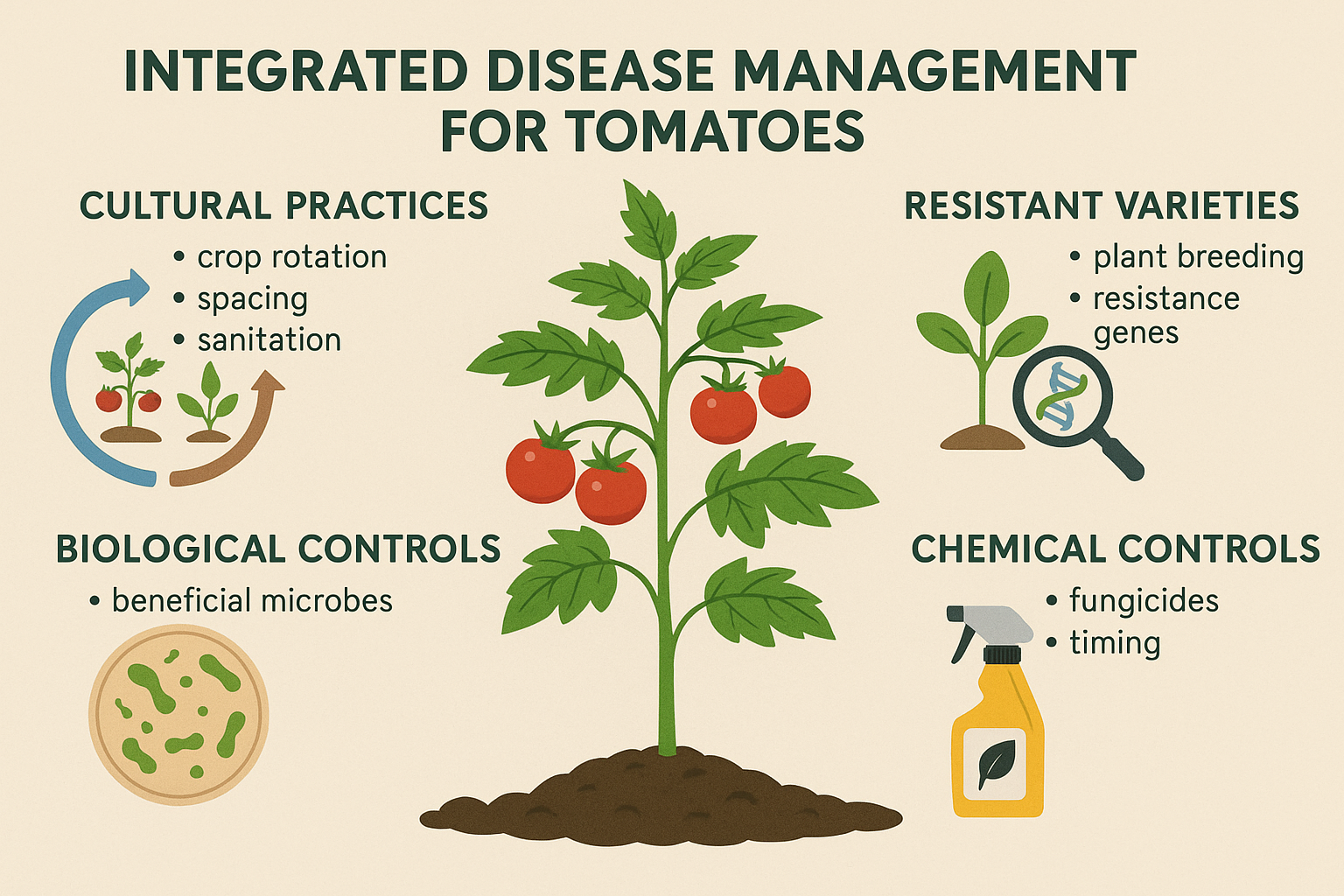
Effective tomato disease management requires an integrated approach that combines multiple strategies. Here’s how to develop a comprehensive plan for your tomato crop.
Cultural Practices for Disease Prevention
Cultural practices form the foundation of any disease management program and can significantly reduce disease pressure.
Crop Rotation:
- Rotate tomatoes with unrelated crops (not in the Solanaceae family)
- Maintain at least a 3-4 year rotation for most diseases
- For persistent problems like Fusarium wilt, longer rotations may be necessary
Plant Spacing and Trellising:
- Provide adequate spacing between plants (18-36 inches depending on variety)
- Trellis or cage determinate and indeterminate varieties
- Pruning lower leaves and suckers improves air circulation
- Orient rows to maximize air movement through the planting
Water Management:
- Use drip irrigation instead of overhead sprinklers
- Water in the morning so foliage dries quickly
- Maintain consistent soil moisture to reduce plant stress
- Avoid working with plants when foliage is wet
Sanitation:
- Remove and destroy diseased plant material promptly
- Clean and disinfect tools, stakes, and trellises between seasons
- Thoroughly clean greenhouse structures between crops
- Wash hands when moving between different tomato plantings
Soil Health Management:
- Maintain optimal soil pH (6.0-6.8 for most tomatoes)
- Incorporate compost to improve soil structure and beneficial microbial activity
- Use soil tests to guide fertilization and avoid nutrient imbalances
- Consider cover crops to improve soil health during rotation years
Resistant Varieties: A First Line of Defense
Using disease-resistant varieties is one of the most effective and environmentally friendly approaches to disease management.
Understanding Resistance Codes: Seed catalogs and plant labels use standard abbreviations to indicate disease resistance:
- V: Verticillium wilt
- F or F1: Fusarium wilt race 1
- F2: Fusarium wilt race 2
- F3: Fusarium wilt race 3
- N: Nematodes
- T: Tobacco mosaic virus
- A: Alternaria (early blight)
- St: Stemphylium (gray leaf spot)
- TSWV: Tomato spotted wilt virus
- TYLCV: Tomato yellow leaf curl virus
Choosing the Right Varieties:
- Match resistance traits to diseases common in your area
- Consider consulting with local extension services for variety recommendations
- Remember that resistance doesn’t mean immunity—resistant varieties can still get diseases under high pressure
- Balance disease resistance with other desired traits like flavor, size, and productivity
Notable Resistant Varieties for 2025:
- ‘Mountain Merit’: Resistant to late blight, TSWV, F3, V, and N
- ‘Defiant PhR’: High resistance to late blight and early blight
- ‘Iron Lady’: Triple resistance to early blight, late blight, and Septoria leaf spot
- ‘Sunguard’: Excellent resistance to TYLCV for hot climates
- ‘Granadero’ (Roma type): Resistant to V, F1, F2, TSWV, and powdery mildew
Biological Controls and Biostimulants
Biological controls utilize beneficial microorganisms to suppress pathogens and can be an important component of organic and conventional disease management programs.
Beneficial Microorganisms:
- Bacillus subtilis: Provides suppression of various fungal and bacterial pathogens
- Trichoderma harzianum: Colonizes roots and protects against soil-borne diseases
- Streptomyces lydicus: Effective against various fungal diseases
- Pseudomonas fluorescens: Induces systemic resistance and suppresses pathogens
Application Strategies:
- Apply to seeds or transplants to establish beneficial microbes early
- Drench soil at planting time for soil-borne disease protection
- Foliar applications can help suppress leaf diseases
- Repeat applications may be necessary throughout the growing season
Biostimulants:
- Seaweed extracts can enhance plant immune responses
- Humic acids improve soil health and plant vigor
- Silicon supplements may strengthen cell walls and increase resistance to fungal penetration
- Mycorrhizal fungi improve nutrient uptake and stress tolerance
Chemical Controls: When and How to Use Them
While cultural practices and resistant varieties should form the foundation of your disease management strategy, chemical controls may be necessary in some situations.
Preventative vs. Curative Applications:
- Most fungicides and bactericides work best as preventative treatments
- Apply before disease appears or at the earliest symptoms
- Once disease is established, chemical controls are less effective
- Regular scouting is essential for timely applications
Fungicide Groups and Rotation:
- Rotate between fungicides with different modes of action (FRAC groups)
- This helps prevent the development of resistant pathogen populations
- Always follow label directions for application rates and timing
- Observe pre-harvest intervals (PHI) before harvesting fruit
Organic vs. Conventional Options:
- Organic options: Copper, sulfur, mineral oils, potassium bicarbonate, Bacillus-based products
- Conventional options: Chlorothalonil, mancozeb, azoxystrobin, boscalid, propiconazole
Application Tips:
- Ensure good coverage, especially on the undersides of leaves
- Apply during dry conditions when leaves can dry quickly after application
- Calibrate sprayers properly to apply the correct amount
- Always wear appropriate personal protective equipment
Regional Considerations for Tomato Disease Management
Disease pressure varies significantly by region due to climate, prevalent pathogens, and growing practices. Here’s a breakdown of key considerations for different regions.
Humid Southeastern United States
The southeastern U.S. presents some of the most challenging conditions for tomato production due to high humidity, warm temperatures, and long growing seasons.
Key Diseases:
- Early blight
- Late blight
- Bacterial spot
- Southern bacterial wilt
- TSWV
Regional Strategies:
- Plant early to harvest before peak disease pressure in mid-summer
- Use resistant varieties extensively
- Consider raised beds to improve drainage
- Apply preventative fungicides during humid periods
- Use reflective mulches to repel insect vectors
Arid Western United States
While drier conditions in the West reduce many foliar diseases, irrigation practices and unique pathogens present their own challenges.
Key Diseases:
- Powdery mildew
- Curly top virus
- Verticillium wilt
- Tomato spotted wilt virus
- Root knot nematodes
Regional Strategies:
- Monitor irrigation carefully to avoid moisture stress
- Use shade cloth during periods of intense heat
- Scout for and manage insect vectors like leafhoppers and thrips
- Consider soil solarization for nematode management
- Use windbreaks to reduce mechanical damage and disease spread
Northern United States and Canada
Shorter growing seasons and cooler temperatures create a different disease profile in northern regions.
Key Diseases:
- Late blight
- Septoria leaf spot
- Botrytis gray mold
- Anthracnose
- Early blight
Regional Strategies:
- Select early-maturing varieties
- Use season extension techniques like high tunnels
- Monitor weather forecasts for late blight risk
- Remove and destroy plant debris thoroughly at season’s end
- Consider copper applications during cool, wet periods
Greenhouse and High Tunnel Production
Protected cultivation creates unique disease management challenges and opportunities.
Key Diseases:
- Leaf mold (Passalora fulva)
- Powdery mildew
- Botrytis gray mold
- Bacterial canker
- Viruses (especially if insect exclusion is inadequate)
Regional Strategies:
- Maintain optimal temperature and humidity levels
- Use vertical air circulation fans
- Implement strict sanitation protocols
- Consider biological controls as part of an IPM approach
- Use resistant rootstocks for grafted production
Emerging Threats and Research in 2025
The landscape of tomato diseases continues to evolve with changing climate patterns, global trade, and pathogen adaptation.
Here are some emerging threats and research directions as of 2025.
Climate Change Impacts on Tomato Diseases
Climate change is altering disease dynamics in several important ways:
Range Expansion:
- Tropical diseases like bacterial wilt are moving into temperate regions
- Late blight is appearing earlier in the season and in new areas
- Insect vectors are expanding their ranges, bringing viruses to new regions
Changing Disease Cycles:
- Warmer winters allow pathogens to overwinter more successfully
- Extended growing seasons provide more time for disease cycles
- Extreme weather events create stress conditions that predispose plants to disease
Adaptation Strategies:
- Development of heat-tolerant, disease-resistant varieties
- Adjusted planting calendars to avoid peak disease periods
- Improved disease forecasting systems incorporating climate models
- Enhanced protected cultivation systems
New and Emerging Pathogens
Several pathogens have emerged or increased in importance in recent years:
Tomato Brown Rugose Fruit Virus (ToBRFV):
- First identified in 2014 but has spread rapidly worldwide
- Overcomes Tm-22 resistance gene that controls other tobamoviruses
- Causes yellow/brown rugose (wrinkled) patches on fruit
- Highly stable and easily transmitted mechanically
- Now regulated as a quarantine pest in many countries
Bacterial Leaf Spot (Xanthomonas perforans):
- New strains have emerged with resistance to traditional copper treatments
- Causing significant losses in field production
- Research focuses on alternative management strategies and host resistance
Fusarium Crown and Root Rot (Fusarium oxysporum f. sp. radicis-lycopersici):
- Increasing problem in both field and greenhouse production
- Distinct from Fusarium wilt with different symptoms and management needs
- Favored by cool soil temperatures, unlike traditional Fusarium wilt
Advanced Technologies in Disease Management
Technological innovations are creating new opportunities for disease detection and management:
Remote Sensing and Imaging:
- Multispectral imaging can detect disease symptoms before they’re visible to the human eye
- Drone-based systems allow rapid scanning of large production areas
- Smartphone apps with AI can help growers identify diseases in the field
Genetic Technologies:
- CRISPR gene editing is accelerating the development of disease-resistant varieties
- RNA interference (RNAi) technologies show promise for targeted disease control
- Marker-assisted selection is improving breeding efficiency
Precision Agriculture:
- Variable-rate application technologies reduce pesticide use
- Sensor networks monitor environmental conditions to predict disease risk
- Automated systems can apply treatments only where and when needed
Biological Control Advancements:
- Next-generation biological products with improved efficacy and stability
- Microbiome engineering to create disease-suppressive growing environments
- Endophytic microorganisms that live within plants providing continuous protection
Case Studies: Successful Disease Management in Commercial Operations
Learning from successful growers can provide valuable insights for your own disease management approach.
Case Study 1: Integrated Late Blight Management in Organic Production
Farm Profile:
- 15-acre diversified organic vegetable farm in the Northeast
- Grows 3 acres of tomatoes annually
- Previously experienced devastating late blight outbreaks
Management Strategy:
- Variety selection: Planted ‘Iron Lady’, ‘Defiant PhR’, and ‘Mountain Magic’ resistant varieties for 60% of tomato acreage
- Protected cultivation: Used high tunnels for 1 acre of production to exclude rain
- Preventative applications: Applied copper hydroxide on a 7-10 day schedule during high-risk periods
- Monitoring: Participated in regional late blight forecasting network
- Cultural practices: Increased plant spacing, used drip irrigation, and pruned lower leaves
Results:
- No late blight in resistant varieties even during regional outbreaks
- Minimal copper applications needed in high tunnels
- Field-grown susceptible varieties required more intensive management but remained productive
- Overall yield increased by 35% compared to previous seasons
Case Study 2: Bacterial Disease Management in Commercial Field Production
Farm Profile:
- 50-acre conventional tomato farm in the Southeast
- Hot, humid conditions favorable for bacterial diseases
- History of bacterial spot reducing marketable yield by 30-40%
Management Strategy:
- Seed treatment: Used hot water seed treatment for all seed
- Transplant management: Maintained dry foliage in greenhouse, applied copper + mancozeb to transplants
- Field practices: Used metallic mulch, increased plant spacing
- Spray program: Alternated copper-mancozeb with copper-acibenzolar-S-methyl (plant activator)
- Harvest timing: Harvested earlier in the day when plants were dry
Results:
- Bacterial spot incidence reduced by 70%
- Marketable yield increased by 45%
- Reduced total number of sprays needed
- Economic analysis showed $4,500/acre increased profit
Case Study 3: Virus Management in Greenhouse Production
Farm Profile:
- 2-acre greenhouse tomato operation in the West
- Year-round production of high-value tomatoes
- Previous issues with TSWV and pepino mosaic virus
Management Strategy:
- Exclusion: Installed insect screening on all vents and entrances
- Monitoring: Used yellow and blue sticky cards to monitor thrips and whiteflies
- Sanitation: Implemented strict sanitation protocols including footbaths and dedicated clothing
- Biological control: Released predatory mites for thrips management
- Roguing: Immediately removed any plants showing virus symptoms
Results:
- Virus incidence reduced from 30% to less than 2%
- Reduced insecticide applications by 80%
- Improved fruit quality and extended production cycle
- Return on investment for exclusion screening achieved in first year
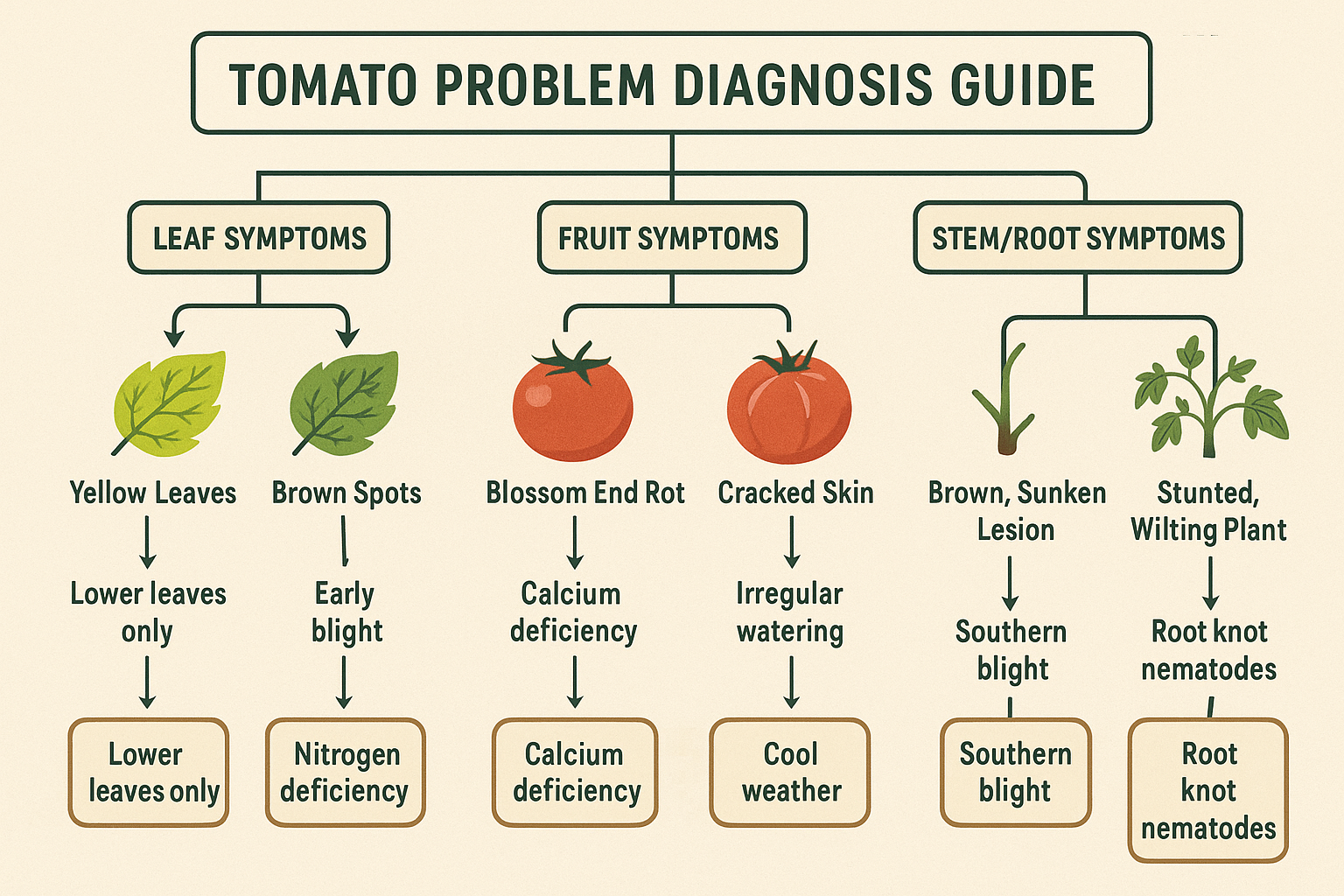
Troubleshooting Guide: Diagnosing Common Tomato Problems
Accurate diagnosis is essential for effective disease management. Here’s a troubleshooting guide to help identify common tomato problems.
Leaf Symptoms Decision Tree
Yellow leaves:
- Lower leaves only, with no spots: Possible nitrogen deficiency or normal aging
- Lower leaves with target-like spots: Early blight
- Lower leaves yellowing on one side of plant: Fusarium or Verticillium wilt
- Interveinal yellowing: Magnesium deficiency or virus
- Mottled yellowing with leaf distortion: Virus infection
Spots on leaves:
- Small, dark spots with yellow halos: Bacterial spot or speck
- Small, circular spots with gray centers and tiny black dots: Septoria leaf spot
- Large, target-like brown spots: Early blight
- Water-soaked spots that turn brown/black quickly: Late blight
- Powdery white coating: Powdery mildew
Wilting:
- Wilts during heat of day, recovers at night: Early stages of wilt disease or drought stress
- Permanent wilting starting with lower leaves: Fusarium or Verticillium wilt
- Sudden wilting of entire plant: Bacterial wilt or southern blight
- Wilting with blackened stem base: Stem canker or collar rot
Fruit Symptoms Decision Tree
Spots or lesions on fruit:
- Dark, sunken spots at blossom end: Blossom end rot
- Small, raised black spots: Bacterial spot
- Concentric rings or bull’s-eye pattern: Anthracnose
- Water-soaked spots that turn brown with fuzzy growth: Late blight
- White, leathery patches: Sunscald
Deformities:
- Irregular shape with scarring: Catfacing
- Cracks radiating from stem: Radial growth cracks
- Cracks forming circles around stem end: Concentric growth cracks
- Zipper-like scar: Blossom sticking to developing fruit
- Small fruit with pointed end: Poor pollination
Internal fruit problems:
- White, hard tissue inside fruit: White core
- Large empty cavities: Puffiness
- Brown vascular tissue: Internal infection from wilt pathogens
- Uneven ripening: Blotchy ripening or yellow shoulder
Stem and Root Symptoms Decision Tree
Stem problems:
- Dark, sunken lesions on stems: Stem canker
- Brown streaking inside stem: Bacterial canker or wilt pathogens
- White, moldy growth at base of stem: Southern blight or timber rot
- Swollen, corky tissue on stem: Edema (physiological)
Root problems:
- Brown, rotting roots: Root rot (Pythium, Phytophthora)
- Knotted, galled roots: Root-knot nematodes
- Reduced root system with discoloration: Fusarium or Verticillium infection
- Stunted roots with few fine roots: Soil compaction or poor soil conditions
Conclusion
Managing tomato diseases effectively requires a multifaceted approach that integrates knowledge of pathogen biology, environmental factors, and control strategies.
As we’ve explored throughout this comprehensive guide, successful disease management relies on:
-
Prevention as the foundation: Using resistant varieties, implementing good cultural practices, and maintaining plant health are your first and most effective lines of defense.
-
Early detection through regular monitoring: Catching diseases at their earliest stages dramatically improves your chances of successful management.
-
Integrated management strategies: Combining cultural, biological, and when necessary, chemical controls provides the most robust protection for your tomato crop.
-
Adaptability to changing conditions: Climate change, emerging pathogens, and evolving management technologies require flexibility and continuous learning.
-
Regional customization: Tailoring your approach to local conditions, prevalent diseases, and available resources optimizes results.
As I reflect on my own journey from that devastating late blight experience to successfully managing tomato diseases in my garden, I’m reminded that knowledge truly is power.
Understanding the complex interactions between plants, pathogens, and the environment has transformed my approach to growing tomatoes.
Whether you’re a commercial grower managing acres of tomatoes or a home gardener with a few plants on your patio, implementing the strategies outlined in this guide will help you achieve healthier plants and more abundant harvests.
Remember that disease management is not about eliminating all pathogens—an impossible task—but about creating conditions that favor the plant over the pathogen.
As you face the inevitable challenges that come with growing tomatoes, take heart in knowing that each season brings new opportunities to refine your approach.
By building on successes, learning from setbacks, and staying informed about emerging research and technologies, you can continue to improve your disease management outcomes year after year.
Happy growing!